How to Furnish a Living Room
Furnishing a living room is more than just placing furniture—it’s about creating a space that feels comfortable, functional, and welcoming. As the most used area of any home, the living room should reflect your lifestyle while offering the perfect balance between style and practicality. Whether you’re setting up a new home or refreshing your existing space, knowing how to furnish a living room the right way can make a significant difference in both aesthetics and everyday comfort.
From choosing the right sofa and layout to selecting colors, lighting, and décor, every decision plays a role in how your living room looks and functions. In this complete guide, we’ll walk you through step-by-step living room furnishing tips used by interior experts to help you design a space that feels cohesive, spacious, and timeless. No matter the size or style of your room, this guide will help you furnish your living room with confidence and clarity.
Understand Your Living Room Space
Furnishing a living room starts with understanding the space you have. Every room is different, and knowing its size, shape, and purpose helps you make smarter furniture choices. This step lays the foundation for everything that comes next.
Measure Your Living Room Correctly
Before you buy any furniture, take time to measure your living room properly. Measure the length and width of the room, along with the ceiling height. Also note the position of doors, windows, and electrical points.
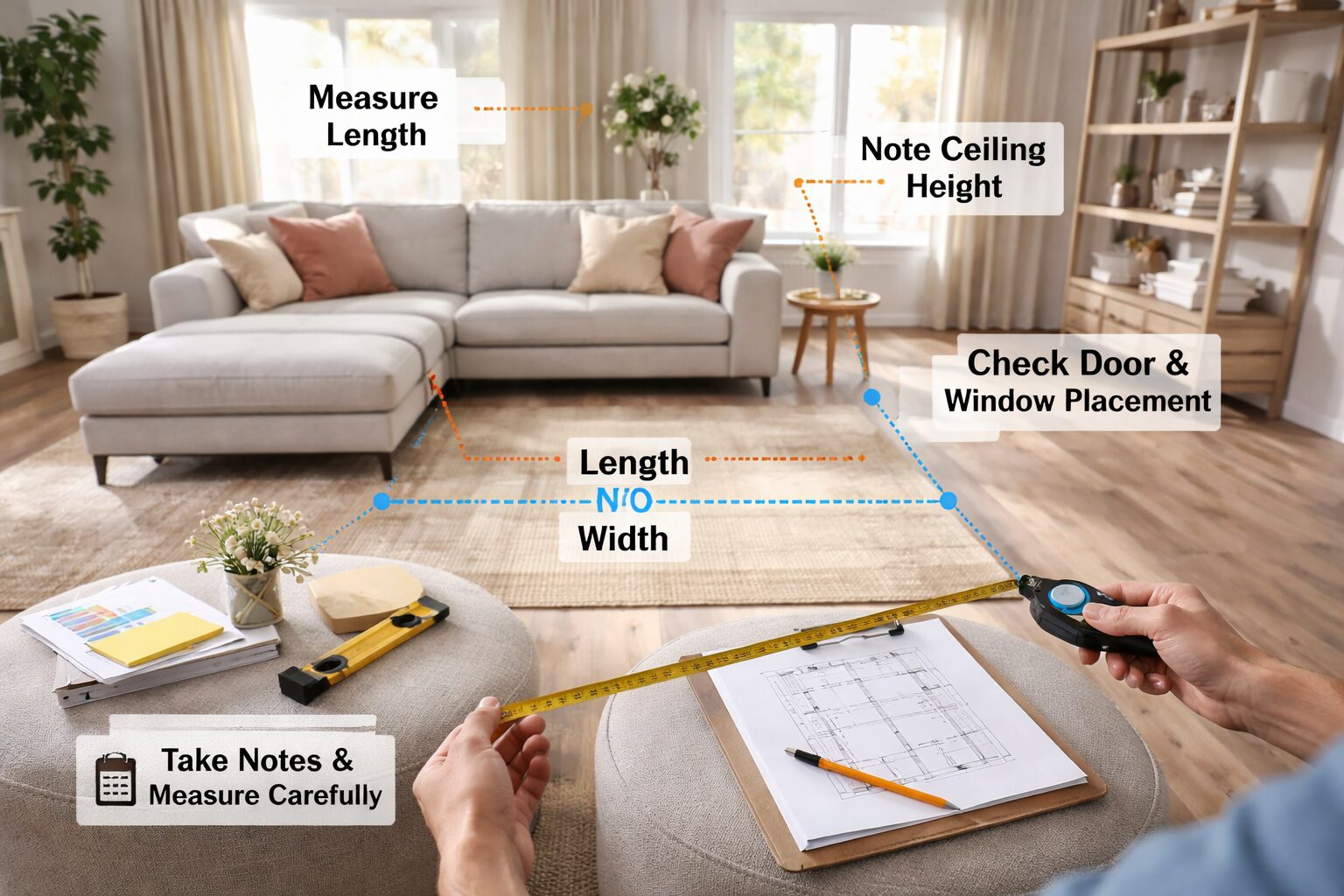
These measurements help you choose furniture that fits well and doesn’t make the room feel crowded. Knowing your space in advance saves time, money, and frustration later.
Identify the Purpose of Your Living Room
Think about how you use your living room on a daily basis. Some living rooms are mainly for family time, while others are used for entertaining guests or watching TV.
If your living room serves multiple purposes, your furniture should support that. For example, a comfortable sofa works well for daily use, while extra seating can help when guests visit. Having a clear purpose makes furnishing much easier.
Choose Essential Living Room Furniture
Once you understand your space, it’s time to choose the main furniture pieces that your living room truly needs. These essential items create comfort, functionality, and style while defining how the room will be used every day.
S] or Seating Arrangement (The Focal Point)
The sofa is the most important piece of living room furniture. It sets the tone for the entire space. Choose a sofa that matches your room size and lifestyle.
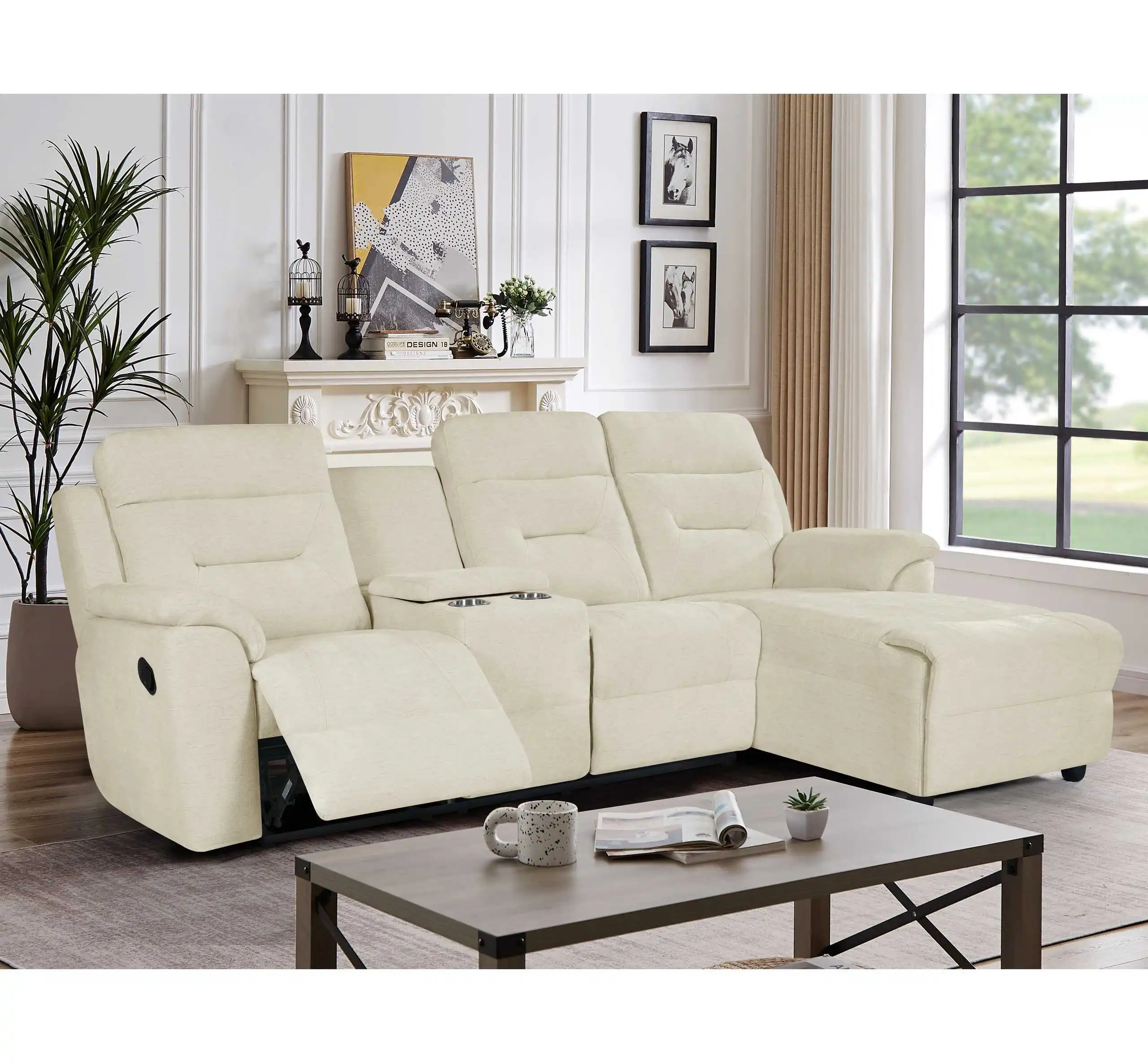 For small living rooms, compact sofas or a combination of a sofa and chairs works best. For larger spaces, L-shaped or sectional sofas provide plenty of seating and create a cozy layout. Comfort, quality, and durability should always be your top priorities.
Coffee Table and Side Tables
A coffee table adds both function and style to your living room. It gives you a surface for daily use while helping tie the seating area together.
Choose a coffee table that is proportional to your sofa and leaves enough walking space. Side tables are also useful for placing lamps, books, or décor items without cluttering the main table.
TV Unit or Entertainment Center
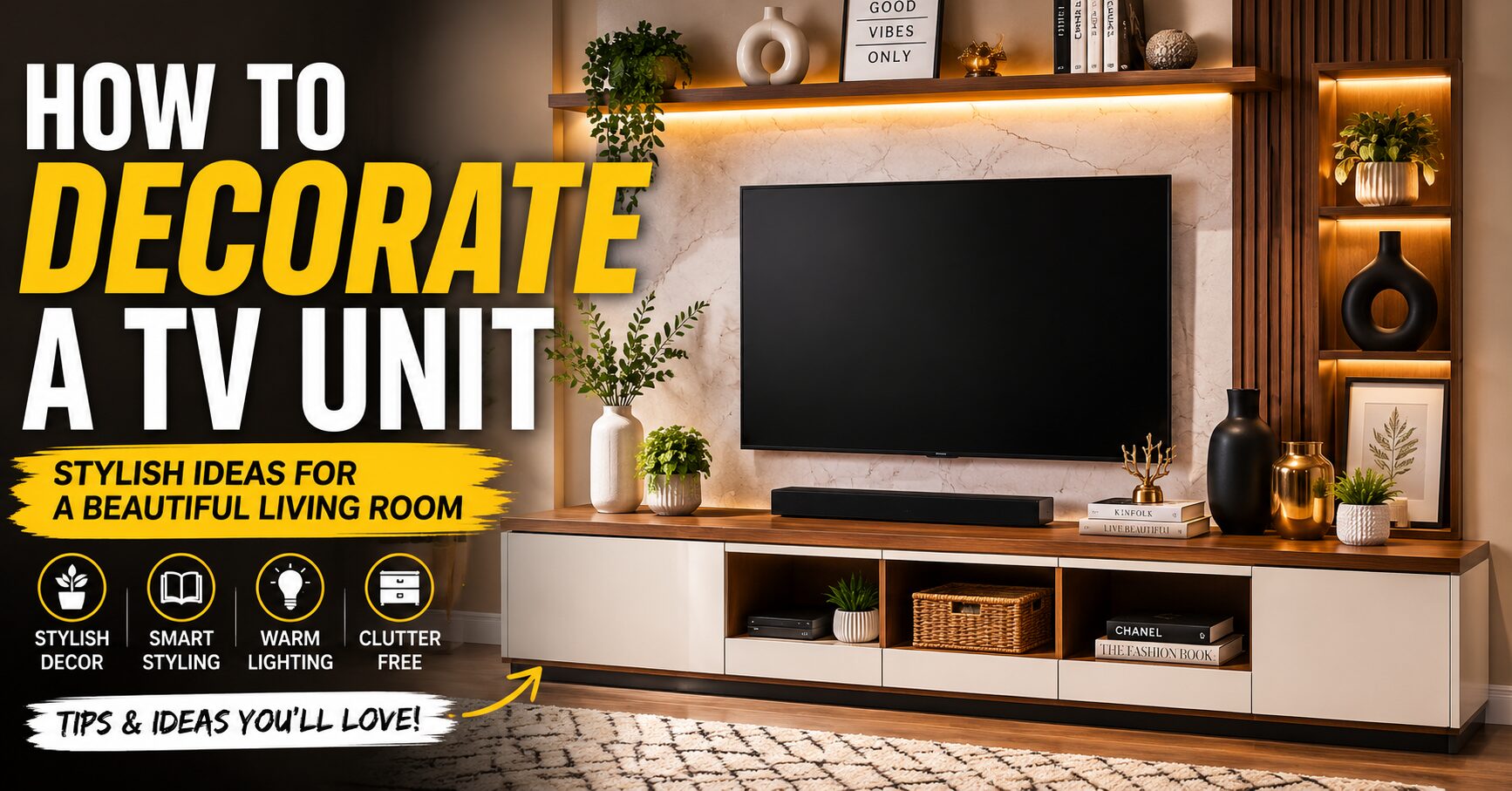
A TV unit helps organize your living room and keeps the space looking neat. Wall-mounted TV units are ideal for smaller rooms, while floor units offer extra storage.
Choose a design that blends well with your furniture and allows proper cable management. A well-chosen TV unit improves both appearance and functionality.
Storage Furniture (Optional but Useful)
Storage furniture like cabinets, bookshelves, or console tables helps keep your living room clutter-free. These pieces are especially useful if your living room also stores books, décor items, or everyday essentials.
Choose storage furniture that complements your main furniture without overpowering the space.
Plan the Perfect Living Room Layout
Even the best furniture can feel uncomfortable if it’s not arranged properly. A good layout improves movement, balance, and comfort, making your living room easy to use and pleasant to spend time in.

Good furniture placement makes your living room comfortable and easy to move around. Start with the largest furniture piece, usually the sofa, and build the layout around it.
Leave enough walking space between furniture and avoid blocking doors or windows. Arrange seating so people can face each other comfortably and enjoy conversations.
Layout Ideas Based on Room Size
For small living rooms, keep furniture minimal and close to the walls to create an open feel. In medium-sized rooms, balance seating and storage to avoid overcrowding.
Large living rooms allow more flexibility. You can divide the space into zones, such as a seating area and a reading corner, using rugs or furniture placement.
Select the Right Color Palette and Materials
Colors and materials play a major role in the overall feel of your living room. The right combination can make the space look bigger, warmer, and more inviting while also matching your personal style.
Choosing Colors for Living Room Furniture
Color plays a big role in how your living room feels. Light and neutral colors make a room look brighter and more spacious, while darker shades add warmth and depth.
Choose furniture colors that match your wall paint and flooring. If you like experimenting, you can add color through cushions or décor instead of large furniture pieces.
Best Materials for Living Room Furniture
When choosing materials, focus on durability and comfort. Wooden furniture is strong and long-lasting, making it a popular choice for living rooms.
Fabric sofas feel soft and cozy, while leather sofas offer a clean and elegant look. Pick materials that suit your lifestyle, climate, and maintenance preferences.
Add Lighting for Ambience and Functionality
Lighting brings your living room to life. The right lighting setup not only improves visibility but also creates a warm and welcoming atmosphere that works for both day and night.
Types of Living Room Lighting
A well-lit living room uses more than one type of lighting. Ambient lighting provides overall brightness, while task lighting helps with reading or work.
Accent lighting adds warmth and highlights décor elements like wall art or shelves. Using different lighting types creates a balanced and inviting space.
Lighting Placement Tips
Place floor lamps near sofas or chairs for comfortable lighting in the evenings. Wall lights can highlight artwork or add soft light to corners.
Make the most of natural light during the day by keeping windows clear and using light curtains. Good lighting improves both the look and usability of your living room.
Enhance with Soft Furnishings and Décor
Soft furnishings and décor bring personality and warmth to your living room. These finishing touches help tie the furniture together and make the space feel complete, comfortable, and lived-in.
Rugs, Curtains, and Cushions
Rugs help define the seating area and add comfort underfoot. Choose a rug that fits under the front legs of your sofa and chairs for a balanced look. Curtains should complement your furniture and allow enough natural light into the room.
Cushions are an easy way to add color, texture, and comfort. Mixing different sizes and fabrics can make your living room feel more inviting without overwhelming the space.
Wall Décor and Accessories
Wall décor such as artwork, mirrors, or shelves adds character to your living room. Mirrors are especially useful in small spaces as they reflect light and make the room look bigger.
Accessories like indoor plants, decorative lamps, and small décor pieces add charm. Keep it simple—too many accessories can make the room feel cluttered.
Furnishing Ideas Based on Living Room Style
Choosing a clear style helps your living room look well-organized and visually pleasing. Whether you prefer a modern, traditional, or minimal look, matching furniture and décor to one style creates a cohesive space.
Modern Living Room
Modern living rooms focus on clean lines, neutral colors, and simple designs. Choose sleek sofas, minimal coffee tables, and subtle décor for a neat and stylish look.
Minimalist Living Room
A minimalist living room uses fewer furniture pieces with simple shapes and light colors. The focus is on functionality and open space, making the room feel calm and clutter-free.
Traditional Living Room
Traditional living rooms feature classic furniture designs, warm colors, and wooden finishes. Decorative details, patterned fabrics, and elegant lighting add a timeless feel.
Luxury Living Room
Luxury living rooms focus on premium materials, rich textures, and refined finishes. Plush sofas, statement lighting, and carefully chosen décor pieces create a sophisticated atmosphere.
Common Mistakes to Avoid When Furnishing a Living Room
Even with good planning, some common mistakes can affect the look and comfort of your living room. Being aware of these helps you make better furnishing decisions and avoid unnecessary expenses.
-
Choosing furniture that is too large or too small for the room
-
Overcrowding the space with too many pieces
-
Ignoring storage needs
-
Poor lighting choices
-
Mismatched colors and styles
Avoiding these mistakes helps keep your living room balanced and functional.
Furnishing a Small Living Room (Bonus Tips)
Furnishing a small living room can be challenging, but smart choices can make it look bigger and more comfortable. With the right furniture and layout, even small spaces can feel stylish and practical.

-
Choose compact or multi-functional furniture
-
Use wall-mounted shelves or TV units to save floor space
-
Stick to light colors for furniture and walls
-
Use mirrors to reflect light and create a sense of space
-
Keep décor minimal to avoid a crowded look
With thoughtful planning, a small living room can feel just as inviting as a larger one.
Conclusion
Furnishing a living room doesn’t have to feel overwhelming. When you understand your space, choose the right furniture, plan a comfortable layout, and add the right colors, lighting, and décor, the process becomes simple and enjoyable. Each step works together to create a living room that feels welcoming, functional, and truly yours.
Whether you’re furnishing a new home or updating your current space, thoughtful choices make all the difference. At Easy Home Furniture, you’ll find a wide range of living room furniture designed for comfort, durability, and everyday living. Explore furniture that fits your style and helps you create a living room you’ll love spending time in.
Frequently Asked Questions (FAQs)
What furniture is essential for a living room?
The essential furniture for a living room includes a sofa or seating arrangement, a coffee table, and a TV unit or entertainment center. Depending on your space and needs, you may also add side tables and storage furniture.
How do I furnish a small living room?
To furnish a small living room, choose compact or multi-functional furniture, use light colors, and avoid overcrowding the space. Wall-mounted units and mirrors can also help make the room feel more open.
How much furniture should a living room have?
A living room should have enough furniture to be comfortable without feeling crowded. Focus on essential pieces first and add extra furniture only if the space allows and serves a clear purpose.
What is the best layout for a living room?
The best living room layout allows easy movement and comfortable seating. Furniture should be arranged around a focal point, such as a TV or window, while leaving enough walking space between pieces.
How do I choose the right sofa for my living room?
Choose a sofa based on your room size, seating needs, and comfort preferences. Measure your space first and select a sofa that fits well without blocking walkways or windows.
What colors are best for living room furniture?
Neutral colors like beige, grey, or cream work well for most living rooms and are easy to style. You can add color through cushions, rugs, or décor to keep the space lively.


Leave A Comment
You must be logged in to post a comment.