How To Clean A Rug
Keeping your home clean doesn’t stop at dusting furniture or vacuuming floors, rugs also need regular care. Over time, rugs collect dirt, dust, allergens, and stains that can affect both their appearance and the air quality in your home. Knowing how to clean a rug properly can help maintain its beauty, extend its lifespan, and keep your living space fresh and hygienic. The good news is that you don’t always need professional services to achieve great results. In this guide, you’ll learn how to clean a rug at home, remove common stains, and keep your rug looking as good as new with simple and effective cleaning methods.
Why Regular Rug Cleaning Is Important
Regular rug cleaning is essential for maintaining a healthy and attractive home. Rugs naturally collect dust, dirt, pet hair, food crumbs, and allergens from daily foot traffic. If they are not cleaned regularly, these particles settle deep into the fibers and can affect the cleanliness of your living space.
One major reason to clean rugs regularly is to improve indoor air quality. Dust, pollen, and allergens trapped in rugs can circulate through the air and cause allergies or breathing problems. Cleaning your rug helps remove these harmful particles and keeps your home environment healthier.
Regular cleaning also helps protect the rug fibers. Dirt particles act like tiny abrasives that slowly wear down the fibers of the rug. Over time, this can make the rug look dull, rough, and worn out. Proper cleaning removes these particles and helps preserve the texture and softness of the rug.
Another benefit is maintaining the appearance of your home. A clean rug enhances the overall look of a room and makes your space feel fresh and inviting. When you know how to clean a rug properly, you can extend its lifespan and keep it looking beautiful for many years.
Know Your Rug Type Before Cleaning
Before learning how to clean a rug, it is important to understand the type of rug you own. Different rug materials require different cleaning methods. Using the wrong cleaning technique can damage the fibers or cause discoloration.
Here are the most common types of rugs and how they should be cleaned.
Wool Rugs
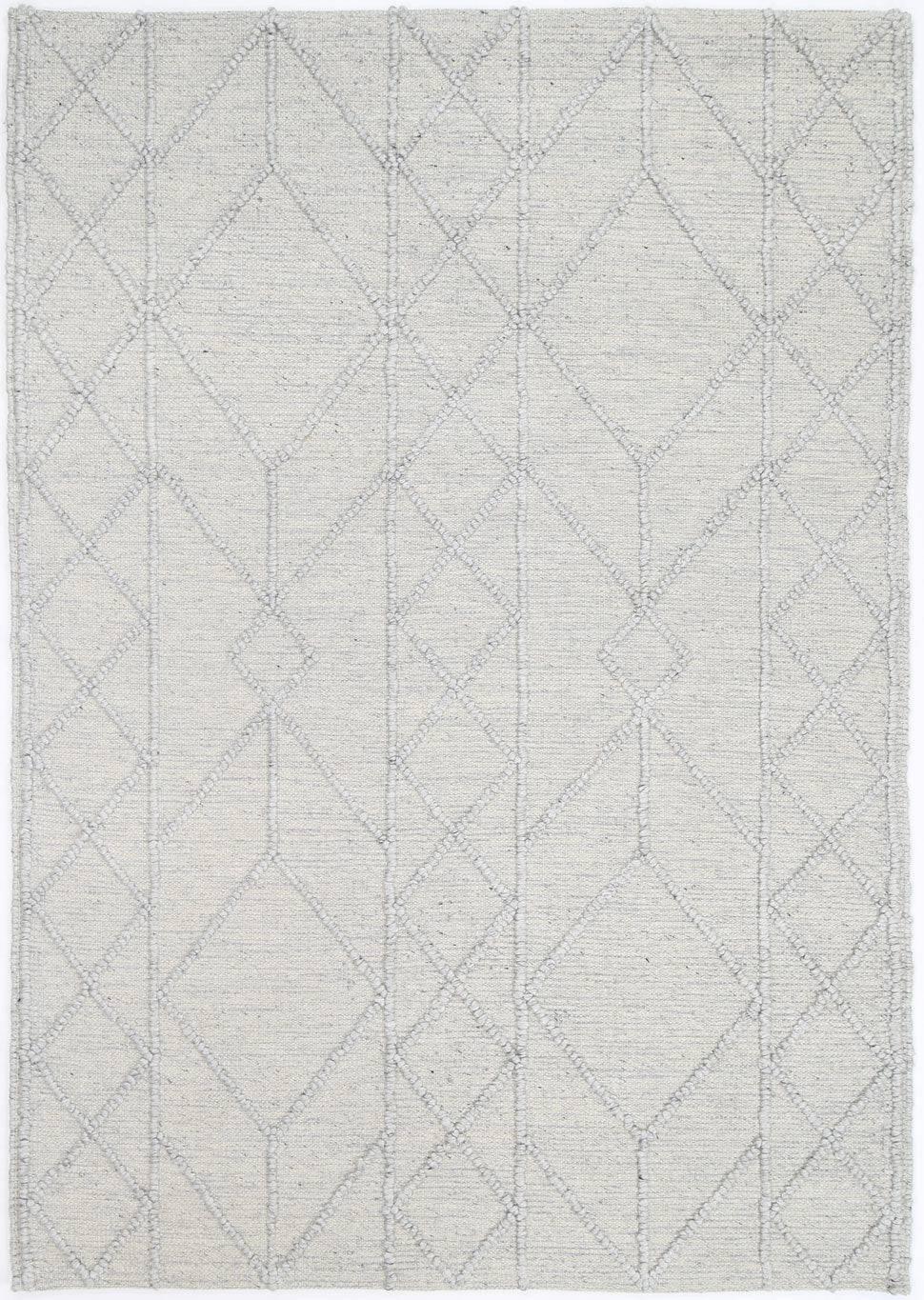
Wool rugs are soft, durable, and very popular in homes. However, wool fibers are delicate and should be cleaned carefully. Always use mild detergent and avoid harsh chemicals. Too much water can also damage wool fibers, so gentle cleaning methods are recommended when learning how to clean a wool rug.
Synthetic Rugs
Synthetic rugs are made from materials such as polyester, nylon, or polypropylene. These rugs are more durable and easier to clean compared to natural fiber rugs. Most synthetic rugs can handle stronger cleaning solutions and deeper scrubbing without damage. They are often ideal for high traffic areas.
Cotton Rugs
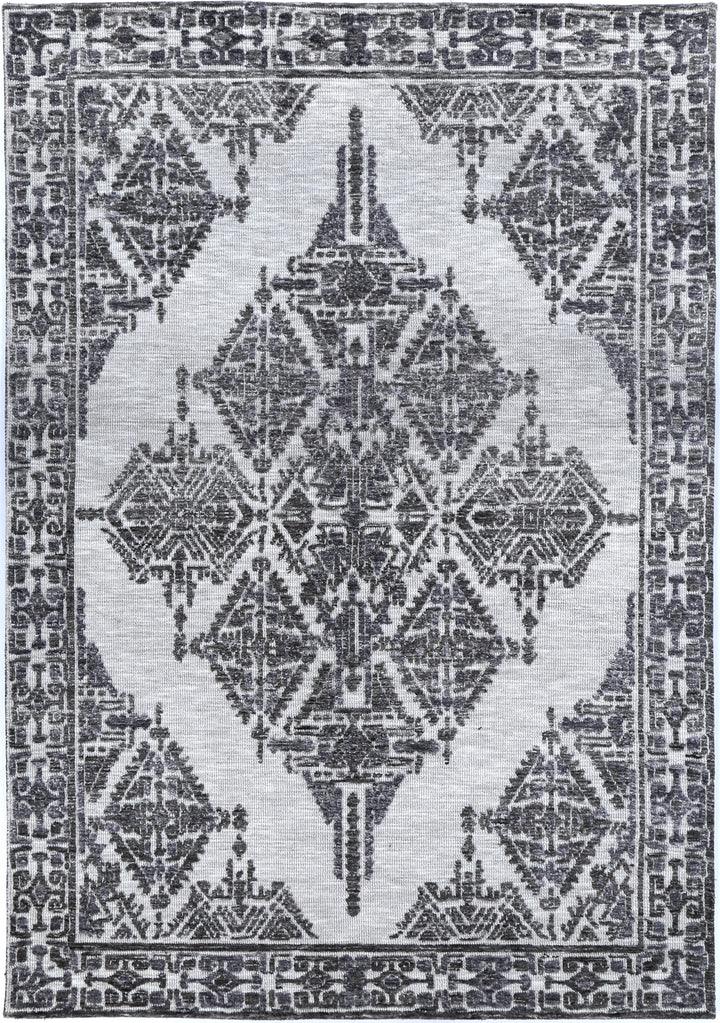
Cotton rugs are lightweight and flexible. Many cotton rugs are machine washable, which makes cleaning simple and convenient. However, always check the care label before washing them to avoid shrinking or fading.
Natural Fiber Rugs (Jute or Sisal)
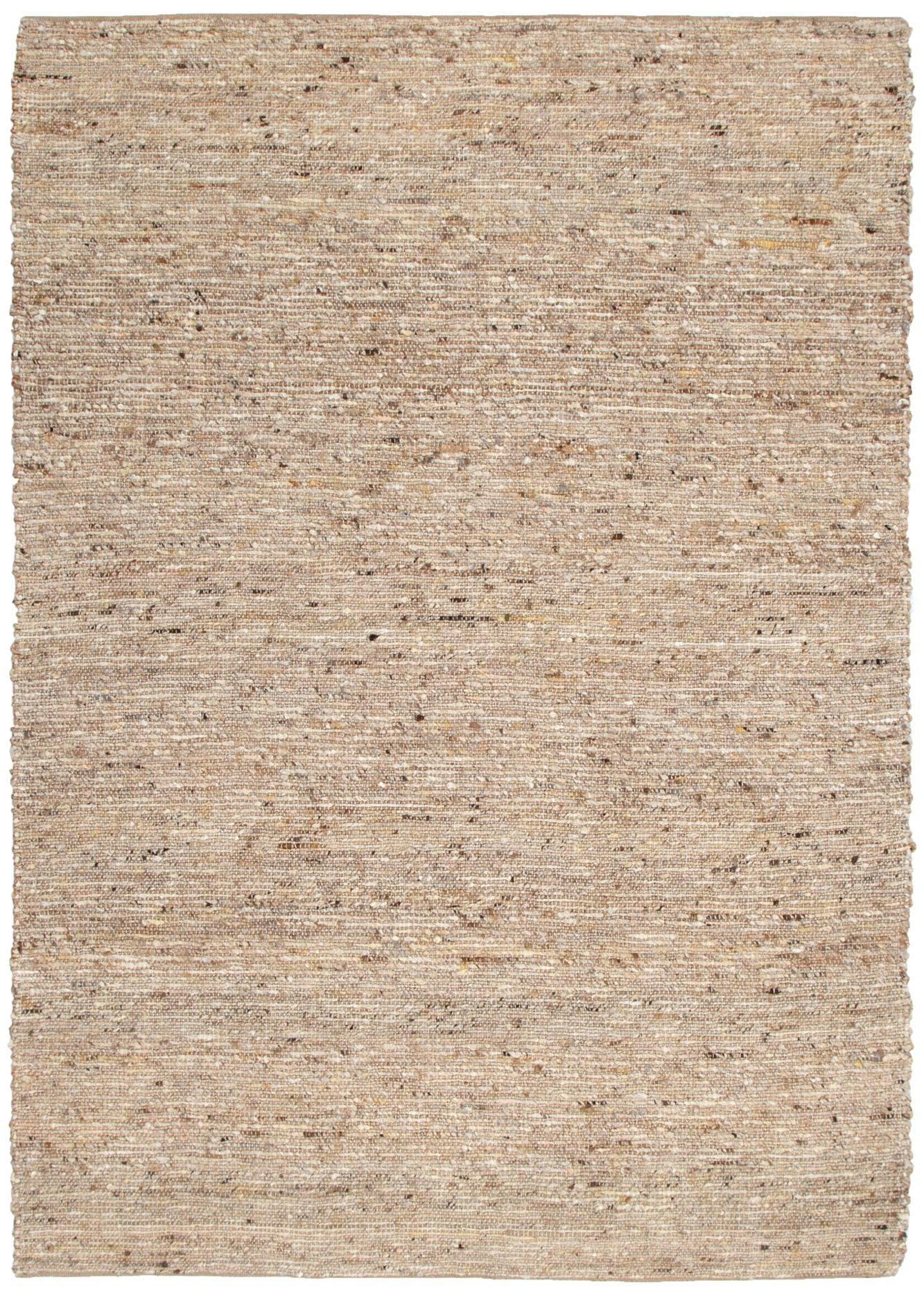
Natural fiber rugs such as jute or sisal are very sensitive to moisture. Excess water can weaken the fibers and cause damage. These rugs should be cleaned using minimal moisture and gentle brushing.
Understanding your rug type ensures you choose the safest and most effective cleaning method.
Essential Tools You Need to Clean a Rug
Before starting the rug cleaning process, it helps to gather the right tools. Having proper cleaning tools makes the job easier and helps you clean your rug more effectively.
Here are some essential tools commonly used in DIY rug cleaning.
Vacuum Cleaner
A vacuum cleaner removes loose dirt, dust, and debris trapped in rug fibers. Vacuuming is the first step in almost every rug cleaning process.
Soft Brush
A soft brush helps gently scrub the rug without damaging the fibers. It is useful for removing stains and dirt during the cleaning process.
Mild Detergent
A gentle detergent is important for cleaning rugs safely. Strong chemicals may damage fibers or fade colors.
White Vinegar
White vinegar is a natural cleaning solution that helps remove stains and odors from rugs.
Baking Soda
Baking soda works well for absorbing odors and refreshing rugs.
Microfiber Cloth or Towels
These are useful for blotting stains and absorbing excess moisture after cleaning.
With these simple tools, you can effectively learn how to clean a rug at home and keep your rug looking fresh and clean.
How To Clean A Rug At Home (Step by Step Guide)
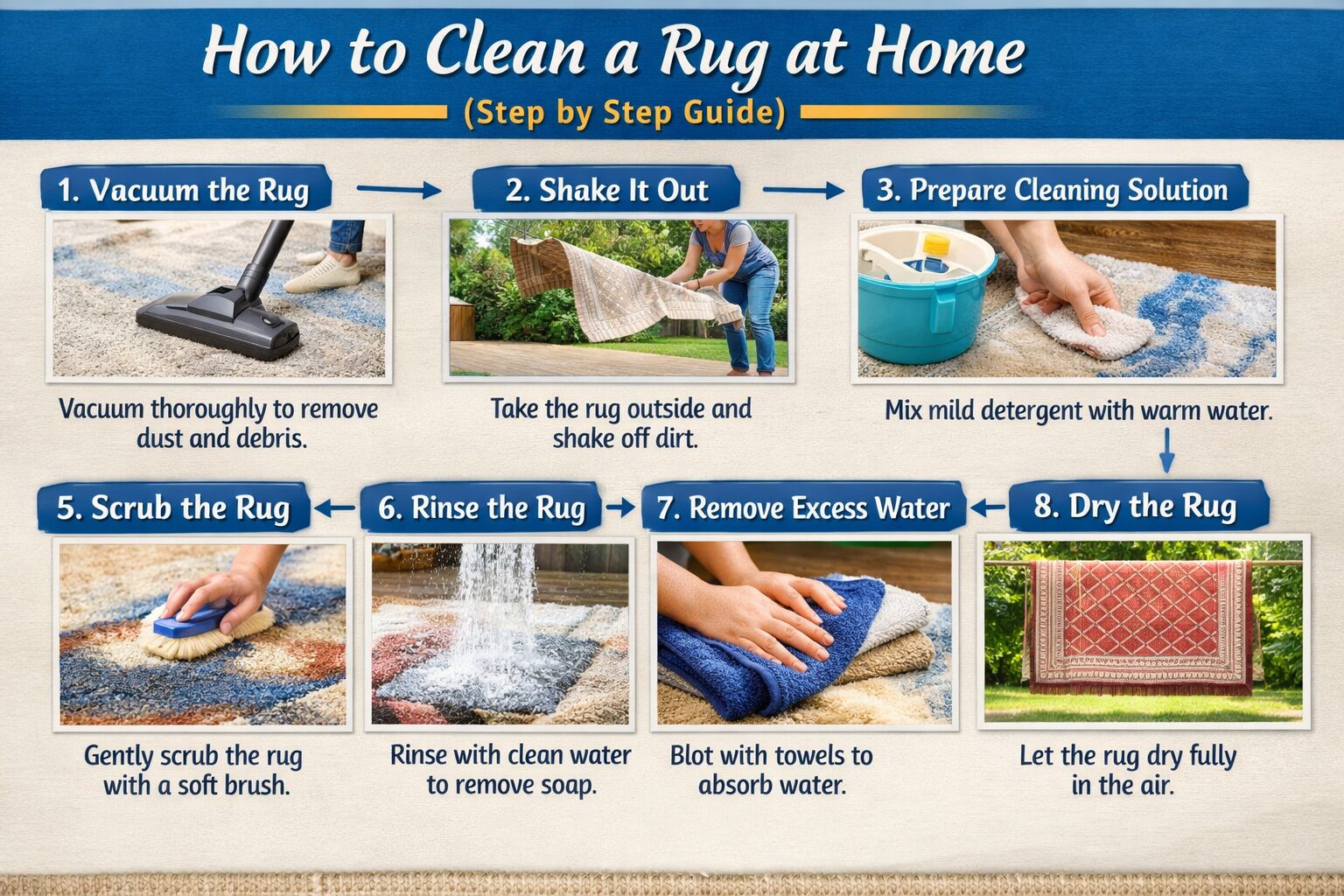
Cleaning your rug at home is easier than many people think. With the right tools and proper steps, you can remove dirt, stains, and odors without damaging the rug fibers. Learning how to clean a rug at home helps you keep your space fresh while also extending the life of your rug.
Follow these simple steps to clean your rug safely and effectively.
Step 1: Vacuum the Rug Thoroughly
Start by vacuuming the entire rug to remove loose dirt, dust, and debris. Dirt particles often sit on the surface and deep within the fibers. Vacuuming helps remove these particles before you begin washing the rug.
Make sure to vacuum both sides of the rug if possible. This helps loosen dirt trapped underneath and ensures a deeper clean.
Step 2: Take the Rug Outside and Shake It
If the rug is small enough to move, take it outside and shake it firmly. Shaking the rug helps remove additional dust and debris that the vacuum may have missed.
You can also hang the rug over a railing or clothesline and gently beat it with a broom handle. This step helps loosen stubborn dirt trapped deep in the fibers.
Step 3: Prepare a Gentle Cleaning Solution
Fill a bucket with warm water and mix in a small amount of mild detergent. Avoid strong chemicals because they can damage the rug fibers or fade the colors.
A simple mixture of warm water and mild soap works well for most rugs. This solution helps break down dirt and stains without harming the material.
Step 4: Test a Small Area First
Before applying the cleaning solution to the entire rug, test it on a small hidden section. This step helps you check whether the cleaning solution causes color fading or fiber damage.
Wait a few minutes after testing. If the rug looks fine, you can continue with the cleaning process.
Step 5: Gently Scrub the Rug
Dip a soft brush into the cleaning solution and gently scrub the rug in the direction of the fibers. Focus on areas that have stains or heavy dirt buildup.
Avoid scrubbing too hard because this can damage the rug fibers. Gentle and steady brushing works best for removing dirt while protecting the rug.
Step 6: Rinse the Rug Properly
After scrubbing, rinse the rug with clean water to remove any soap residue. If soap is left behind, it can attract more dirt later.
A garden hose can help rinse the rug effectively if you are cleaning it outside. Make sure all detergent is completely removed from the rug.
Step 7: Remove Excess Water
Once the rug is rinsed, press clean towels against the surface to absorb extra water. You can also gently squeeze the rug to remove moisture.
Avoid twisting or wringing the rug because this can damage the fibers or distort its shape.
Step 8: Let the Rug Dry Completely
Place the rug in a well ventilated area to air dry. You can hang it over a railing or lay it flat on a clean surface.
Allow the rug to dry fully before placing it back in your room. A completely dry rug prevents mold growth and keeps your home smelling fresh.
By following these steps, you can easily understand how to clean a rug properly and maintain its appearance for years.
Also Read: How to Clean a Leather Sofa
How To Deep Clean A Rug
Regular cleaning removes surface dirt, but sometimes rugs require deeper cleaning. Deep cleaning helps remove trapped dust, bacteria, and odors that build up over time. If your rug looks dull or smells unpleasant, it may be time to deep clean a rug.
Deep cleaning is usually recommended once or twice a year depending on how often the rug is used.
Vacuum Both Sides of the Rug
Start the deep cleaning process by vacuuming both sides of the rug thoroughly. Dirt often settles at the base of the fibers, and vacuuming both sides helps loosen this buildup.
This step prepares the rug for a deeper and more effective cleaning.
Apply Baking Soda to Remove Odors
Sprinkle a generous amount of baking soda across the rug. Baking soda naturally absorbs unpleasant smells and helps freshen the rug.
Let the baking soda sit on the rug for at least 30 minutes. For stronger odors, you can leave it overnight before vacuuming it off.
Use a Rug Shampoo or Mild Detergent
Next, prepare a cleaning solution using warm water and a small amount of rug shampoo or mild detergent. Apply the solution using a soft brush or sponge.
Gently scrub the rug while following the direction of the fibers. This helps remove deep dirt and stains without damaging the material.
Rinse the Rug Thoroughly
After scrubbing, rinse the rug carefully with clean water. Proper rinsing is important because leftover detergent can attract more dirt.
Make sure the rug is completely free from soap before moving to the drying stage.
Allow the Rug to Dry Completely
Lay the rug flat in a well ventilated area or hang it outside to dry. Sunlight can help speed up the drying process and remove lingering odors.
Ensure the rug dries completely before placing it back indoors. A dry rug helps prevent mold and mildew growth.
Deep cleaning your rug regularly keeps it looking vibrant and helps maintain a healthier home environment.
How To Remove Common Rug Stains
Even with regular cleaning, rugs can still get stained from everyday accidents. Food spills, pet messes, and muddy shoes are common causes of rug stains. Knowing how to remove stains from a rug can help you act quickly and prevent permanent damage.
Different types of stains require slightly different cleaning methods.
Food and Drink Stains
Food and beverage spills are among the most common rug stains. Coffee, juice, and sauces can leave noticeable marks if not treated quickly.
Start by blotting the stain with a clean cloth to absorb as much liquid as possible. Avoid rubbing the stain because it can push the liquid deeper into the fibers.
Mix equal parts white vinegar and water and apply the solution to the stained area. Gently blot the stain until it starts to fade. Finally, rinse with clean water and dry the area with a towel.
Pet Stains
Pet accidents can cause both stains and unpleasant odors. The key is to clean the area quickly before the stain settles into the rug.
Blot the area with paper towels to remove excess moisture. Then sprinkle baking soda on the stain and let it sit for about 15 minutes.
After that, use a mixture of mild detergent and warm water to gently clean the area. This method helps remove both the stain and the odor.
Mud Stains
Mud stains are common in homes with outdoor traffic. The best approach is to allow the mud to dry completely before cleaning.
Once dry, vacuum the area to remove loose dirt. After vacuuming, lightly scrub the remaining stain using a mild detergent solution and a soft brush.
Rinse the area with clean water and allow it to dry.
Grease or Oil Stains
Grease stains can be difficult to remove because oil sticks to rug fibers. Start by sprinkling baking soda or cornstarch over the stain to absorb the oil.
Let it sit for about 20 minutes and then vacuum it away. After that, apply a small amount of dish soap mixed with warm water and gently blot the stain until it disappears.
With quick action and the right cleaning method, most rug stains can be removed successfully and your rug can continue looking clean and fresh.
Natural DIY Rug Cleaning Solutions
Many homeowners prefer natural cleaning methods because they are safe, affordable, and environmentally friendly. Natural solutions can effectively remove stains, odors, and dirt without exposing your rug to harsh chemicals. If you want a gentle yet effective method for how to clean a rug at home, DIY cleaning solutions are a great option.
These simple ingredients are commonly found in most homes and can help keep your rug clean and fresh.
Vinegar and Water Solution
White vinegar is one of the most effective natural cleaning agents. It helps break down dirt, remove stains, and eliminate unpleasant odors.
To make this solution, mix equal parts white vinegar and warm water in a spray bottle. Lightly spray the mixture onto the rug, especially on stained areas. Then gently blot the area using a clean cloth.
Avoid soaking the rug with too much liquid. A light application is usually enough to clean the fibers without causing damage.
Baking Soda for Odor Removal
Baking soda works very well for removing odors from rugs. It absorbs smells and helps refresh the rug naturally.
Simply sprinkle a generous layer of baking soda across the rug surface. Let it sit for at least 30 minutes so it can absorb odors trapped in the fibers. After that, vacuum the rug thoroughly to remove the baking soda.
This method is especially useful for rugs that develop odors from pets or daily use.
Lemon and Salt for Stain Removal
Lemon juice has natural cleaning properties and works well for light stains. When combined with salt, it can help lift stains from rug fibers.
Apply a small amount of lemon juice to the stained area and sprinkle salt on top. Let the mixture sit for about 15 minutes. Then gently blot the area with a damp cloth and allow it to dry.
Using these natural cleaning methods can help maintain your rug while keeping your home free from harsh chemicals.
Rug Cleaning Mistakes To Avoid
While learning how to clean a rug, it is just as important to understand what mistakes to avoid. Incorrect cleaning methods can damage the rug fibers, cause discoloration, or shorten the life of the rug.
Here are some common rug cleaning mistakes that many people make.
Using Too Much Water
One of the most common mistakes is soaking the rug with excessive water. Too much moisture can weaken rug fibers and create the perfect environment for mold and mildew.
Instead of soaking the rug, use small amounts of cleaning solution and gently blot the area when cleaning.
Scrubbing Too Hard
Aggressive scrubbing can damage delicate rug fibers and cause them to wear out faster. It may also spread stains further into the rug.
Always use a soft brush and gentle pressure when cleaning your rug.
Skipping the Patch Test
Many people apply cleaning solutions directly to the rug without testing them first. Some cleaners may cause colors to fade or bleed.
Always test the cleaning solution on a small hidden area of the rug before applying it to visible sections.
Not Drying the Rug Properly
Leaving a rug damp after cleaning can lead to unpleasant odors, mold growth, and fiber damage.
Make sure your rug dries completely in a well ventilated area before placing it back on the floor.
Avoiding these mistakes will help protect your rug and ensure your cleaning efforts produce the best results.
How Often Should You Clean Your Rug
Regular cleaning helps maintain the beauty and durability of your rug. Many people wonder how often they should clean a rug to keep it in good condition. The answer depends on factors such as foot traffic, pets, and the location of the rug in your home.
In general, rugs should be vacuumed at least once a week. Frequent vacuuming removes dust, dirt, and debris before they settle deep into the fibers.
If you have pets or children, you may need to vacuum more often. High traffic areas such as living rooms or hallways usually require more frequent cleaning.
Spot cleaning should be done whenever spills or stains occur. Treating stains immediately prevents them from becoming permanent.
Deep cleaning is typically recommended every six to twelve months. Deep cleaning removes trapped dirt and refreshes the rug fibers.
In addition, delicate or expensive rugs may benefit from professional cleaning once a year. Professional cleaners have specialized equipment that can clean rugs thoroughly while protecting their fibers.
By following a regular cleaning schedule, you can keep your rug looking fresh and extend its lifespan for many years.
When To Hire Professional Rug Cleaning
While many rugs can be cleaned at home, there are situations where professional cleaning is the better option. Professional rug cleaners have specialized equipment and experience that allow them to handle delicate or heavily soiled rugs safely.
If your rug is antique or handmade, professional cleaning is often recommended. Antique rugs are valuable and may be damaged by improper cleaning techniques. Professionals understand how to treat delicate fibers without causing harm.
Persian rugs and other traditional rugs also require special care. These rugs are often made from natural materials and dyed with natural colors. Professional cleaners know how to protect these features during the cleaning process.
Another situation where professional cleaning may be needed is when your rug has severe stains or strong odors that home cleaning methods cannot remove.
Large rugs can also be difficult to clean at home because they are heavy and require thorough drying. Professional cleaning services can handle these rugs more efficiently.
Choosing professional cleaning when necessary helps preserve the beauty and quality of your rug.
Final Thoughts
Keeping rugs clean is an important part of maintaining a comfortable and healthy home. Over time, rugs collect dust, dirt, stains, and odors from everyday use. Learning how to clean a rug properly allows you to remove these particles and keep your rug looking fresh and attractive.
Simple cleaning habits such as regular vacuuming, quick stain removal, and occasional deep cleaning can make a big difference in the lifespan of your rug. Using gentle cleaning methods and natural solutions can also help protect rug fibers and prevent damage.
Understanding your rug type and avoiding common cleaning mistakes ensures that your rug stays in good condition for many years.With the right approach, cleaning your rug does not have to be difficult. By following the methods discussed in this guide, you can keep your rug clean, comfortable, and beautiful while creating a healthier living space for your home.
Browse our rug collection at DLB Furniture to find a wide variety of modern, durable, and elegant rugs that suit every style and space.
FAQs
How do you clean a rug without a carpet cleaner?
You can clean a rug without a carpet cleaner by using a vacuum, mild detergent, warm water, and a soft brush. Vacuum the rug first, apply a gentle cleaning solution, scrub lightly, rinse with clean water, and allow the rug to dry completely.
Can you wash a rug with water?
Yes, many rugs can be washed with water. However, the amount of water should be controlled. Some rugs such as wool or natural fiber rugs require minimal moisture to avoid fiber damage.
What is the best homemade rug cleaner?
One of the best homemade rug cleaners is a mixture of white vinegar and warm water. This natural solution helps remove stains, eliminate odors, and clean rug fibers effectively.
How long does it take a rug to dry?
A rug usually takes between 6 and 12 hours to dry depending on the thickness of the rug and air circulation. Proper ventilation and sunlight can help speed up the drying process.
Can baking soda clean rugs?
Yes, baking soda can help clean rugs by absorbing odors and loosening dirt. It is often sprinkled on the rug, left for about 30 minutes, and then vacuumed away to refresh the rug.



Leave A Comment
You must be logged in to post a comment.