How to Stop Clothes Smelling Musty in Wardrobe
If you’re wondering how to stop clothes smelling musty in wardrobe spaces, you’re not alone. Musty odors in wardrobes are a common problem caused by trapped moisture, poor ventilation, damp clothes, and even hidden mold or mildew. Over time, these unpleasant smells can cling to your clothes and make freshly washed garments smell stale again. The good news is that you do not need expensive products to solve the issue. With proper airflow, moisture control, and a few simple household remedies, you can keep your wardrobe fresh and odor-free. In this guide, you’ll learn practical ways to prevent musty smells and maintain fresher clothes for longer.
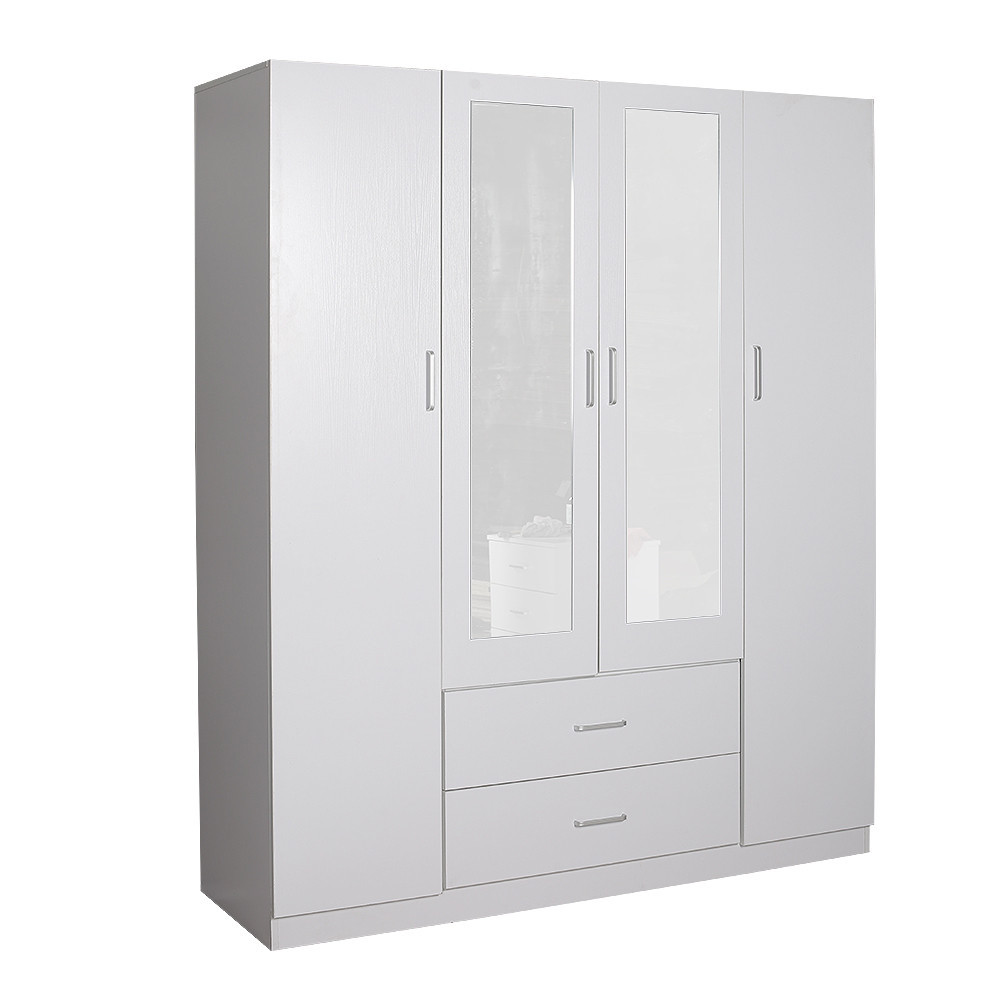
Why Clothes Smell Musty in a Wardrobe
Understanding the cause of musty odors is the first step in learning how to stop clothes smelling musty in wardrobe spaces. In most cases, the smell develops because moisture becomes trapped inside the wardrobe, creating the perfect environment for mold, mildew, and stale odors. Identifying the root cause can help you prevent the problem from returning.
Lack of Air Circulation
Poor airflow is one of the biggest reasons wardrobes develop musty smells. When wardrobes remain closed for long periods, humidity becomes trapped inside, especially in smaller rooms with limited ventilation.
Without proper air circulation, clothes absorb stale odors over time and begin to smell damp even if they were washed recently. Opening wardrobe doors regularly can help improve airflow and reduce trapped moisture.
Moisture and Humidity Buildup
Excess humidity inside bedrooms or storage areas can quickly lead to damp conditions inside wardrobes. This is especially common during rainy seasons or in homes with poor ventilation.
Moisture in the air settles onto clothing, fabrics, and wooden surfaces, creating an environment where mildew can grow. Over time, this moisture buildup causes the unpleasant musty smell many people notice on stored clothes.
Storing Damp or Unwashed Clothes
Putting slightly damp clothes into the wardrobe is another common mistake. Even small amounts of moisture trapped in fabric can create odors after a few days.
Similarly, storing worn or unwashed clothes alongside clean garments can spread unpleasant smells throughout the wardrobe.
Mold and Mildew Growth
In severe cases, hidden mold or mildew inside the wardrobe, walls, or corners may be responsible for persistent odors. Mold thrives in dark, damp spaces and can spread quickly if ignored.
Regular cleaning and moisture control are essential to prevent mold growth and keep your wardrobe smelling fresh.
Also Read: How to Choose the Perfect Bedside Table for Your Bedroom
Signs Your Wardrobe Has a Moisture Problem
Sometimes the signs of excess moisture inside a wardrobe are easy to miss until the smell becomes stronger. Recognizing these early warning signs can help you take action before mold, mildew, or fabric damage develops.
Persistent Musty Odor
A constant damp or stale smell inside the wardrobe is usually the first sign of trapped moisture. If your clothes smell unpleasant even after washing, humidity buildup may be affecting the storage space.
The odor often becomes stronger when the wardrobe doors remain closed for long periods.
Damp Feeling Clothes
Clothes stored in a humid wardrobe may feel slightly cold or damp when touched. Fabrics can absorb excess moisture from the air, especially during humid weather conditions.
This dampness often leads to musty odors developing on clean clothing.
Visible Mold or Mildew Spots
Small black, green, or white spots on wardrobe walls, shelves, or fabrics are signs of mold or mildew growth. These spots should never be ignored because mold can spread quickly and damage both clothing and furniture.
Early treatment is important to prevent the issue from becoming worse.
Condensation or Humidity Inside the Wardrobe
Condensation on wardrobe surfaces or a humid feeling inside the storage area indicates poor airflow and excessive moisture levels.
If the wardrobe feels stuffy or humid regularly, improving ventilation and using moisture absorbers can help reduce the problem.
Identifying these warning signs early can make it easier to stop clothes smelling musty in wardrobe spaces before serious mold issues develop.
How to Stop Clothes Smelling Musty in Wardrobe Naturally
If you want to keep your clothes smelling fresh without relying on strong chemicals, there are several natural and effective solutions available. Learning how to stop clothes smelling musty in wardrobe spaces naturally can help reduce moisture, eliminate odors, and improve air circulation safely.
Keep the Wardrobe Ventilated
One of the simplest ways to prevent musty smells is improving airflow inside the wardrobe. Open the wardrobe doors regularly to allow fresh air to circulate through the space.
If possible, keep windows open occasionally to reduce humidity levels in the room. Better ventilation helps prevent moisture from becoming trapped around clothes and shelves.
Avoid placing wardrobes too close to damp walls, as this can also increase moisture buildup inside the storage area.
Use Baking Soda or Activated Charcoal
Baking soda is a natural odor absorber that works well for removing stale smells from wardrobes. Place a small open container of baking soda on a shelf or in a corner of the wardrobe to help absorb unwanted odors.
Activated charcoal is another excellent option because it helps remove both moisture and smells from enclosed spaces naturally.
Replace these odor absorbers every few weeks for the best results.
Add Moisture Absorbers
Moisture control is extremely important when preventing musty odors. Silica gel packets, dehumidifier bags, or moisture absorbers can help reduce humidity inside wardrobes effectively.
These products work by pulling excess moisture from the air before it settles into fabrics and wooden surfaces.
For homes in humid climates, using a small room dehumidifier may also help improve overall air quality and reduce wardrobe dampness.
Place Scented Sachets or Cedar Blocks
Natural fresheners such as lavender sachets, cedar blocks, or scented pouches can help keep wardrobes smelling pleasant without using artificial sprays.
Cedar wood is especially useful because it naturally absorbs moisture and helps repel insects at the same time.
However, scented products should only be used after solving the moisture problem itself. Covering odors without removing humidity will not stop the musty smell permanently.
With regular ventilation, moisture control, and simple natural remedies, you can maintain a fresher wardrobe and prevent unpleasant odors from returning.
Also Read: Can You Wash Pillows in a Washing Machine?
How to Remove Musty Smell From Clothes
If your clothes already smell damp or stale, simply freshening the wardrobe may not be enough. You will also need to remove the odor directly from the fabrics. Fortunately, there are several simple and effective ways to eliminate musty smells from clothing naturally.
Wash Clothes With White Vinegar
White vinegar is one of the best natural solutions for removing musty odors from clothes. Add one cup of white vinegar to your washing machine during the rinse cycle to help break down odor-causing bacteria and mildew.
Vinegar also helps soften fabrics and remove lingering damp smells without leaving a strong scent behind after washing.
Use Baking Soda During Laundry
Baking soda is another effective deodorizer that helps neutralize unpleasant smells trapped in fabrics. Add half a cup of baking soda to your regular laundry detergent for extra odor removal power.
This method works especially well for towels, jackets, and thicker fabrics that tend to hold moisture longer.
Dry Clothes Completely Before Storage
One of the most important steps in preventing musty smells is ensuring clothes are fully dry before placing them back into the wardrobe.
Even slightly damp fabrics can create odors within a short time. After washing, allow clothes to dry thoroughly in sunlight or a well-ventilated area before storing them.
Air Out Clothes in Sunlight
Fresh air and sunlight naturally help eliminate odors and bacteria from fabrics. Hanging clothes outside for a few hours can help remove lingering musty smells and leave garments smelling fresher.
Sunlight also helps reduce moisture trapped deep inside thicker fabrics.
By cleaning clothes properly and removing hidden moisture, you can stop musty odors from returning to your wardrobe.
Best Ways to Keep Your Wardrobe Smelling Fresh
Keeping your wardrobe fresh requires regular maintenance and proper storage habits. Small daily practices can help prevent moisture buildup and stop unpleasant smells from developing over time.
Clean the Wardrobe Regularly
Dust, dirt, and trapped moisture can accumulate inside wardrobes if they are not cleaned frequently. Wipe shelves, drawers, and wardrobe corners regularly using a mild cleaning solution or vinegar spray.
Deep cleaning every few months can help prevent mildew and stale odors from building up.
Avoid Overcrowding Clothes
Overfilled wardrobes restrict airflow between clothes and create humid conditions that encourage musty smells.
Leave some space between hanging clothes and avoid stuffing shelves too tightly. Better airflow helps fabrics stay fresher for longer.
Store Seasonal Clothes Properly
When storing winter coats, blankets, or seasonal clothing, make sure the items are completely clean and dry first.
Use breathable storage bags instead of airtight plastic containers to reduce trapped moisture and prevent stale smells from developing.
Use Natural Fresheners
Lavender sachets, cedar blocks, and activated charcoal can help maintain a pleasant smell inside the wardrobe naturally.
Unlike strong artificial sprays, natural fresheners help reduce odors without overwhelming fabrics with perfume.
Consistent cleaning and proper organization are key to maintaining a fresh-smelling wardrobe all year round.
How to Prevent Moisture and Mold in Wardrobes
Preventing moisture is the most effective long-term solution for stopping musty smells in wardrobes. Controlling humidity levels can help protect both your clothes and furniture from mold and mildew damage.
Use a Dehumidifier
A small room dehumidifier can significantly reduce moisture levels in bedrooms and wardrobes, especially in humid climates.
Lower humidity helps prevent mold growth and keeps clothes dry and fresh for longer periods.
Fix Room Ventilation Problems
Poor room ventilation often contributes to wardrobe moisture buildup. Opening windows regularly or using exhaust fans can improve airflow and reduce humidity indoors.
Keeping air moving throughout the room helps prevent damp conditions from developing inside wardrobes.
Keep Wardrobes Away From Damp Walls
Wardrobes placed directly against cold or damp walls are more likely to trap condensation and moisture.
Leaving a small gap between the wardrobe and the wall can improve airflow and reduce the risk of mold formation behind the furniture.
Check for Hidden Leaks
Leaks from roofs, windows, or plumbing can create hidden moisture problems that lead to persistent musty odors.
If the smell continues despite cleaning and ventilation, inspect the surrounding walls and floors carefully for signs of water damage or dampness.
Taking preventive measures early can help you avoid serious mold issues and maintain a healthier wardrobe environment.
Common Mistakes That Cause Musty Wardrobe Smells
Many wardrobe odor problems are caused by simple habits that people often overlook. Avoiding these common mistakes can help keep your clothes smelling fresh for longer.
Storing Slightly Damp Clothes
Even a small amount of moisture trapped inside fabrics can create musty smells quickly. Always ensure clothes are fully dry before placing them into the wardrobe.
Never Airing Out the Wardrobe
Keeping wardrobe doors closed constantly traps humidity and stale air inside the space.
Opening the wardrobe regularly allows fresh air to circulate and helps reduce moisture buildup.
Ignoring Early Mold Signs
Small mold spots or faint damp smells are often ignored until the problem becomes severe. Treating mold early can prevent damage to clothes and furniture.
Using Strong Fragrances Instead of Solving Moisture Issues
Air fresheners and perfumes may temporarily hide odors, but they do not remove the real cause of the problem.
Without controlling humidity and moisture, the musty smell will usually return quickly.
Avoiding these mistakes can make a significant difference in maintaining a clean and fresh wardrobe environment
Conclusion
Learning how to stop clothes smelling musty in wardrobe spaces starts with controlling moisture, improving airflow, and maintaining regular cleaning habits. Simple solutions like proper ventilation, moisture absorbers, and natural fresheners can help keep your clothes and wardrobe smelling fresh for longer. By preventing damp conditions early, you can avoid mold, protect your clothing, and create a cleaner storage environment at home.
Frequently Asked Questions
Why do clothes smell musty after being in the wardrobe?
Clothes usually smell musty because of trapped moisture, poor ventilation, or storing slightly damp fabrics inside the wardrobe.
How do you get rid of musty smells in a wardrobe naturally?
You can use baking soda, activated charcoal, cedar blocks, and regular ventilation to remove odors naturally.
Can baking soda remove wardrobe odors?
Yes, baking soda absorbs unpleasant smells and helps freshen enclosed spaces like wardrobes.
How often should I air out my wardrobe?
It is best to open and air out your wardrobe at least a few times each week to improve airflow and reduce humidity.
What absorbs moisture in wardrobes?
Silica gel packets, moisture absorbers, activated charcoal, and dehumidifiers can help reduce excess moisture inside wardrobes.


Leave A Comment
You must be logged in to post a comment.