Can You Put a Mattress Protector Over an Electric Blanket?
If you use an electric blanket during colder months, you may wonder, can you put a mattress protector over an electric blanket without affecting its performance or safety? The answer depends on the type of electric blanket, the mattress protector material, and the manufacturer’s recommendations. While many people use both products together to enjoy warmth and protect their mattress, incorrect layering can sometimes impact heat distribution or reduce the blanket’s effectiveness. Understanding the proper bedding setup is important for both comfort and safety. In this guide, we’ll explain how electric blankets and mattress protectors work together, the safest way to layer them, and common mistakes to avoid.
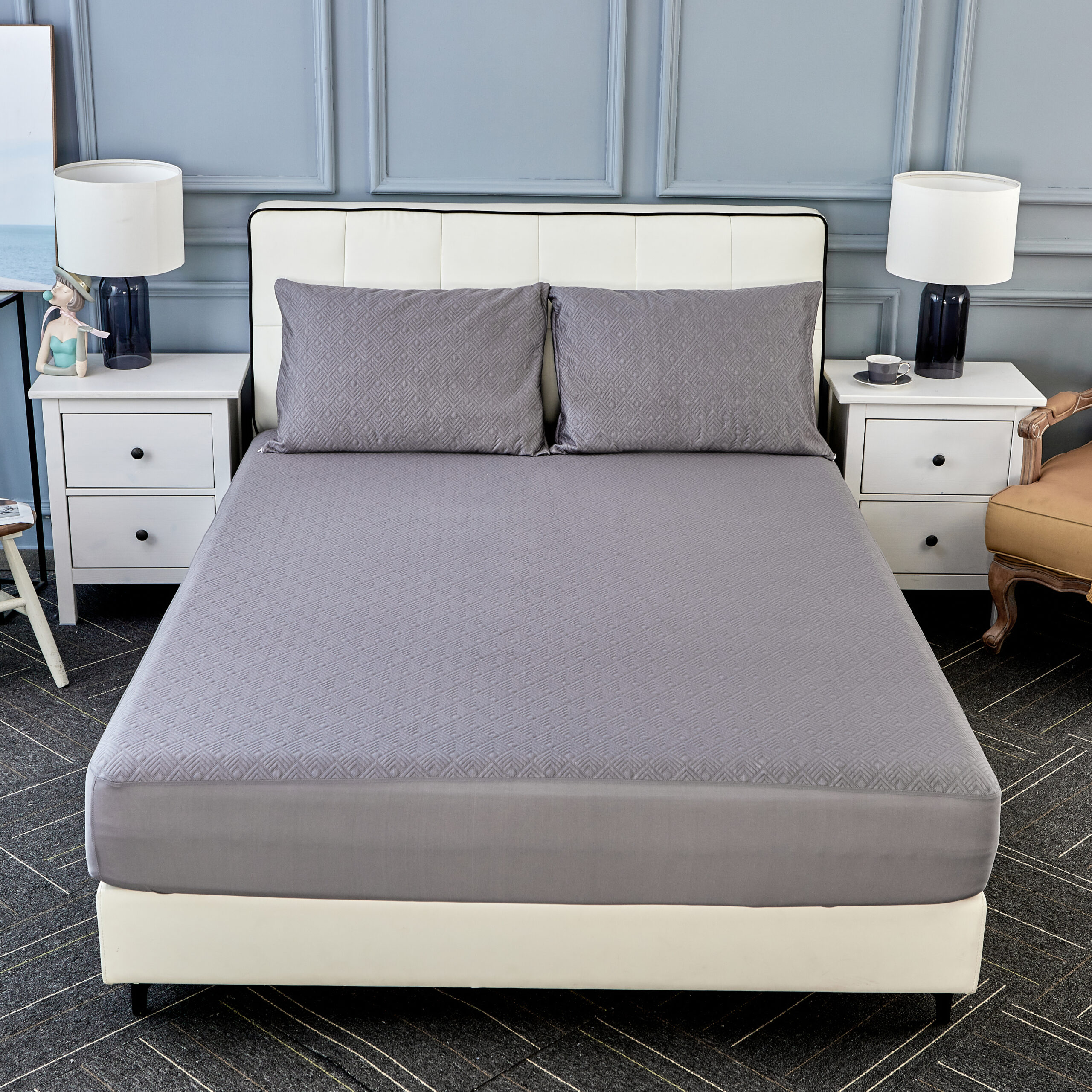
Mattress Protector Over an Electric Blanket? Yes or No
The simple answer is: it depends on the type of electric blanket and the manufacturer’s instructions. In many cases, a mattress protector and an electric blanket can be used together, but the order of layering is important. Incorrect placement may reduce heating efficiency or, in some situations, affect safety.
The Short Answer
For most electric underblankets, manufacturers recommend placing the electric blanket directly on the mattress and then covering it with a fitted sheet. Whether a mattress protector can be used over the electric blanket depends on the blanket’s design and the type of mattress protector being used.
Many modern electric blankets are compatible with certain mattress protectors, particularly lightweight and breathable options. However, thick or heavily insulated protectors may interfere with heat transfer and reduce the blanket’s effectiveness. The safest approach is always to follow the instructions provided by both the electric blanket and mattress protector manufacturers.
Why People Consider Using Both
There are several reasons why people want to use both products together. A mattress protector helps guard against spills, stains, dust mites, allergens, and everyday wear. At the same time, an electric blanket provides warmth and comfort during colder months.
Using both products allows homeowners to enjoy the benefits of mattress protection while still keeping their bed warm and comfortable. This is especially appealing for people who have invested in a quality mattress and want to extend its lifespan without sacrificing comfort.
Manufacturer Recommendations Matter
Not all electric blankets are designed the same way. Some manufacturers specifically allow mattress protectors to be used with their products, while others recommend against it. Similarly, some mattress protectors are designed to work with heated bedding, while others are not.
Because product designs vary, the manufacturer’s instructions should always be considered the most reliable source of guidance. Ignoring these recommendations may affect performance, safety, or even warranty coverage. Before combining bedding products, it is worth checking the care labels and product documentation.
When It May Not Be Recommended
There are situations where placing a mattress protector over an electric blanket may not be advisable. For example, thick quilted protectors, memory foam toppers, or heavily insulated bedding layers can trap heat and restrict airflow. This may reduce the efficiency of the electric blanket and lead to uneven heat distribution.
Additionally, if either manufacturer specifically advises against combining the products, it is best to follow their recommendations. When in doubt, choosing a breathable mattress protector specifically designed for use with heated bedding is often the safest option.
Understanding the Purpose of an Electric Blanket
Electric blankets have become a popular bedding accessory because they provide consistent warmth and can help create a more comfortable sleeping environment during colder weather. Understanding how they work can help you make better decisions when layering your bedding.
How Electric Blankets Work
Electric blankets contain insulated heating wires that generate gentle warmth when connected to a power source. Most modern electric blankets include adjustable temperature settings that allow users to control the level of heat according to their preferences. The heat is distributed evenly across the blanket to provide consistent comfort throughout the night. Many models also feature built-in safety systems such as overheat protection and automatic shut-off functions.
Benefits of Using an Electric Blanket
Electric blankets offer several advantages for sleepers. They can warm the bed before you get in, provide extra comfort during winter, and reduce the need for excessive bedding layers. Some people also find that the gentle warmth helps them relax and fall asleep more easily. Because electric blankets heat the bed directly, they can often provide targeted warmth without needing to heat an entire room.
Common Types of Electric Blankets
There are two main types of electric blankets commonly used in bedrooms.
Electric underblankets are placed on top of the mattress and beneath the fitted sheet. These are designed to warm the bed from underneath and are particularly popular during colder months.
Electric overblankets are used like a regular blanket or duvet and sit on top of the sleeper. They provide direct warmth from above and are often easier to combine with mattress protectors because they do not sit beneath the bedding layers.
Understanding which type you own is important when deciding how to layer your bedding correctly.
Proper Placement of Electric Blankets
Correct placement helps maximise both comfort and safety. For underblankets, the electric blanket is usually positioned directly on the mattress and secured according to the manufacturer’s instructions. A fitted sheet is then placed over the blanket before adding additional bedding.
Overblankets are generally placed above the sleeper and used similarly to a standard blanket. Using the blanket as intended helps ensure even heat distribution and optimal performance.
What Does a Mattress Protector Do?
A mattress protector is one of the simplest and most effective ways to protect your mattress from everyday wear and damage. While it may seem like a basic bedding accessory, it provides several important benefits.
Protection Against Spills and Stains
One of the primary functions of a mattress protector is to create a barrier against spills and stains. Accidents such as spilled drinks, sweat, and moisture can damage a mattress over time and may even void some mattress warranties. A mattress protector helps prevent liquids from reaching the mattress surface and causing permanent damage. This extra layer of protection can significantly extend the life of your mattress.
Preventing Dust Mites and Allergens
Many mattress protectors also help reduce exposure to allergens. Dust mites, pet dander, pollen, and other allergens can accumulate within mattresses over time. A quality mattress protector helps create a barrier that limits allergen penetration and contributes to a cleaner sleeping environment. This can be particularly beneficial for allergy sufferers.
Extending Mattress Lifespan
Mattresses represent a significant investment, and protecting them can help preserve their condition for longer. By reducing exposure to moisture, stains, dirt, and general wear, a mattress protector helps maintain the mattress’s appearance and structural integrity. This can delay the need for replacement and improve long-term value. For many homeowners, a mattress protector is an essential part of mattress care.
Improving Sleep Hygiene
A mattress protector can also contribute to better sleep hygiene. Most protectors can be removed and washed regularly, helping maintain a cleaner sleeping surface. Regular washing removes sweat, dust, and other contaminants that naturally accumulate over time. This makes mattress protectors a practical addition to almost any bedding setup, whether or not an electric blanket is being used.
Also Read: Best Bedding Sets For Summer in Australia 2026
Is It Safe to Put a Mattress Protector Over an Electric Blanket?
Safety is the most important consideration when combining an electric blanket with a mattress protector. While many modern bedding products are designed to work together, several factors can influence whether the combination is safe and effective.
Factors That Affect Safety
The safety of using both products depends on the specific electric blanket, the type of mattress protector, and how the bedding is layered. Modern electric blankets are generally equipped with advanced safety features, but improper use can still affect their performance. Thick or poorly ventilated bedding layers may interfere with heat distribution and potentially create unwanted heat build-up. Always review the instructions supplied with both products before use.
Heat Retention Considerations
Mattress protectors vary significantly in how much heat they retain. Some protectors are designed to be highly breathable, allowing warmth to pass through easily. Others contain thick padding or waterproof layers that may trap heat and reduce airflow.
If a mattress protector holds too much heat, the electric blanket may not perform as efficiently, and the sleeping surface may feel warmer than intended. Choosing a protector with good breathability can help maintain comfort and consistent temperature regulation.
Breathability of Mattress Protectors
Breathable materials generally work best when used with electric blankets. Cotton and certain lightweight waterproof protectors allow heat to pass through more effectively while maintaining airflow. These materials help ensure the warmth generated by the electric blanket reaches the sleeper without becoming trapped. Highly insulated protectors, on the other hand, may reduce the blanket’s ability to distribute heat evenly across the bed.
Following Manufacturer Instructions
The most reliable source of information is always the manufacturer’s guidance. Electric blanket manufacturers conduct safety testing and provide instructions based on their specific product designs. Mattress protector manufacturers may also provide recommendations regarding compatibility with heated bedding. Following these instructions helps ensure safe operation and can prevent issues that may affect product warranties or performance.
Best Bedding Layer Order for an Electric Blanket
Correct bedding placement is essential for achieving both comfort and safety. The ideal arrangement depends on the type of electric blanket being used.
Electric Blanket as an Underblanket
Electric underblankets are the most common type used in bedrooms. In most cases, the underblanket is positioned directly on top of the mattress and secured according to the manufacturer’s instructions. This allows the heating elements to distribute warmth effectively throughout the bed. Placing the blanket directly against the mattress also helps ensure even heat transfer.
Mattress Protector Placement Options
The position of the mattress protector often depends on the specific products being used. Some manufacturers recommend placing the mattress protector directly over the mattress and beneath the electric blanket. Others may allow a lightweight protector to be placed above the electric blanket.
Because recommendations vary, checking the product instructions is essential before deciding on the layering arrangement. When compatible, a breathable mattress protector can help protect the mattress while still allowing the electric blanket to function effectively.
Fitted Sheet Positioning
The fitted sheet usually sits above the electric blanket. This creates a comfortable sleeping surface while helping protect the blanket itself from direct contact and wear. The fitted sheet should fit snugly without pulling or bunching the electric blanket underneath.
Smooth bedding layers also help promote even heat distribution.
Recommended Bedding Setup
A common and widely recommended bedding arrangement is:
- Mattress
- Mattress protector (if approved by the manufacturer)
- Electric underblanket
- Fitted sheet
- Additional bedding such as blankets, quilts, or doonas
However, because product recommendations vary, always follow the instructions provided by the manufacturers of both products.
Also Read: Queen Size Waterproof Mattress Protector
Types of Mattress Protectors That Work Best
Not all mattress protectors perform equally well when paired with electric blankets. Some materials allow heat to pass through efficiently, while others may interfere with the blanket’s performance.
Cotton Mattress Protectors
Cotton mattress protectors are often considered one of the best options for use with electric blankets. They are naturally breathable, lightweight, and effective at allowing warmth to pass through the bedding layers. Cotton also helps regulate moisture and contributes to a comfortable sleeping environment. Because of their breathability, cotton protectors are commonly recommended for use with heated bedding.
Breathable Waterproof Protectors
Modern waterproof mattress protectors have improved significantly in recent years. Many now use advanced breathable membranes that provide protection against spills while still allowing air circulation. These products can offer a good balance between mattress protection and electric blanket performance. When selecting a waterproof protector, look for products specifically designed to maintain airflow.
Quilted Mattress Protectors
Quilted mattress protectors add an extra layer of softness and cushioning. Lightly quilted versions may work well with electric blankets, particularly if they remain breathable and do not contain excessive insulation. However, heavily padded protectors can sometimes reduce heat transfer and affect the blanket’s effectiveness. Choosing thinner quilted designs generally produces better results.
Mattress Protectors to Avoid
Certain mattress protectors may not be ideal for use with electric blankets. Very thick protectors, heavily insulated toppers, and products designed specifically to retain heat can interfere with airflow and heat distribution. These materials may reduce comfort and limit the effectiveness of the electric blanket. If unsure, choose a lightweight and breathable option or consult the manufacturer’s recommendations.
Common Mistakes to Avoid
Even when using compatible bedding products, certain mistakes can reduce comfort, affect performance, or compromise safety.
Using Thick Insulating Layers
Adding multiple thick bedding layers above or below an electric blanket can trap heat and reduce airflow. This may make temperature control more difficult and decrease the blanket’s efficiency. Using breathable bedding materials helps maintain more consistent warmth.
Folding the Electric Blanket
Electric blankets should always lie flat during use. Folding, bunching, or creasing the blanket can place stress on the internal heating wires and potentially affect performance. Always follow the manufacturer’s instructions regarding placement and storage.
Ignoring Product Instructions
Many bedding issues occur simply because users overlook the manufacturer’s recommendations. Electric blankets and mattress protectors are designed differently, and following the supplied instructions helps ensure safe and effective use.
Using Damaged Electric Blankets
Electric blankets should be inspected regularly for signs of wear. Frayed cords, damaged controls, exposed wires, or visible wear may indicate that the blanket should no longer be used. Replacing damaged blankets helps reduce potential safety risks.
Blocking Heat Distribution
Placing excessive padding, heavy toppers, or unsuitable protectors over the electric blanket can prevent heat from spreading evenly across the bed. Maintaining proper airflow allows the blanket to perform as intended and provides a more comfortable sleeping experience.
Tips for Using an Electric Blanket Safely
Using an electric blanket correctly can help maximise comfort while reducing potential safety risks. Following a few simple precautions can ensure your heated bedding remains safe and effective for years to come.
Check for Wear and Damage
Before using an electric blanket, inspect it carefully for signs of wear. Look for frayed cords, damaged plugs, exposed wires, burn marks, or unusual discolouration. Any visible damage may indicate that the blanket is no longer safe to use. If you notice any issues, replace the blanket immediately rather than attempting repairs.
Use Correct Temperature Settings
Modern electric blankets typically offer multiple heat settings to suit different preferences. It is usually best to start with a lower setting and gradually increase the temperature if needed. Using excessively high settings for extended periods may reduce comfort and unnecessarily increase energy consumption. Choosing an appropriate temperature helps maintain a comfortable sleeping environment throughout the night.
Avoid Overheating
Overheating can occur when too many thick bedding layers are used with an electric blanket. Heavy quilts, mattress toppers, or highly insulated mattress protectors may trap heat and interfere with airflow. To prevent overheating, use breathable bedding materials and follow the manufacturer’s recommendations regarding layering and temperature settings.
Store Properly When Not in Use
Proper storage can help extend the lifespan of your electric blanket. Before storing, ensure the blanket has completely cooled and is clean and dry. Avoid folding it tightly or placing heavy objects on top, as this may damage the internal wiring. Many manufacturers recommend rolling the blanket loosely to minimise stress on the heating elements.
Replace Old Electric Blankets When Necessary
Even well-maintained electric blankets have a limited lifespan. Older blankets may not include the advanced safety features found in modern models and can become less reliable over time. If your blanket is showing signs of age, malfunctioning controls, or inconsistent heating, replacing it with a newer model may be the safest option.
Conclusion
So, can you put a mattress protector over an electric blanket? In many cases, the answer is yes, but it depends on the specific electric blanket, mattress protector, and manufacturer guidelines. The key is ensuring that the products are compatible and that the bedding is layered correctly to maintain both safety and comfort. Breathable mattress protectors typically work best, while overly thick or insulated options may affect heat distribution. By following manufacturer recommendations and using proper bedding arrangements, you can enjoy the benefits of both mattress protection and a warm, comfortable sleeping environment throughout the colder months.
Frequently Asked Questions
Should an electric blanket go under or over a mattress protector?
This depends on the specific products being used. In many cases, electric underblankets are placed directly on the mattress with a fitted sheet over the top. Some manufacturers allow a breathable mattress protector beneath the electric blanket, while others may provide different recommendations. Always check the instructions supplied with both products.
Can a waterproof mattress protector affect heat?
Yes, some waterproof mattress protectors can affect heat transfer. Thicker or less breathable waterproof materials may reduce the effectiveness of the electric blanket by trapping heat or limiting airflow. Breathable waterproof protectors generally perform better when used with heated bedding.
Can an electric blanket damage a mattress?
When used correctly and according to the manufacturer’s instructions, an electric blanket should not damage a mattress. Problems are more likely to occur if the blanket is damaged, folded, improperly installed, or used with incompatible bedding products.
Are electric blankets safe to leave on overnight?
Many modern electric blankets are designed with automatic shut-off features and advanced safety controls. However, safety recommendations vary by manufacturer. Always follow the specific instructions provided with your electric blanket regarding overnight use.
Can all mattress protectors be used with electric blankets?
No. Some mattress protectors are more suitable than others. Lightweight, breathable protectors generally work best, while heavily insulated or thickly padded protectors may interfere with heat distribution. Manufacturer recommendations should always be followed when combining bedding products.

Leave A Comment
You must be logged in to post a comment.