How to Choose the Best Standing Desk for Your Workspace
Sitting all day can leave you feeling stiff, tired, and less focused by the afternoon. Knowing how to choose the best standing desk for your workspace can help you break up long sitting hours and build a healthier daily routine. With so many options on the market, from manual to electric models, it can be hard to know what actually matters. This guide walks you through the key features to look for, so you can pick a standing desk that fits your body, your workspace, and how you actually work.
Why a Standing Desk Makes a Difference
Long hours of sitting can lead to a stiff back, poor posture, and low energy levels throughout the day. A standing desk gives you the option to switch positions whenever you need to, which helps keep your body moving instead of staying locked in one spot for hours. Many people notice better focus and less afternoon fatigue once they start alternating between sitting and standing. This small change to your daily setup can have a real impact on comfort and productivity over time.
Check the Height Adjustment Range
Not every standing desk suits every body type, so checking the height range is one of the first things to do. A good desk should adjust low enough for comfortable seated typing and high enough for you to stand with your arms at a natural right angle. If you are taller or shorter than average, double check the maximum and minimum height listed for each desk before buying. A desk with a wide adjustment range works well for shared workspaces or households where more than one person will use it.
Understand Motor Types
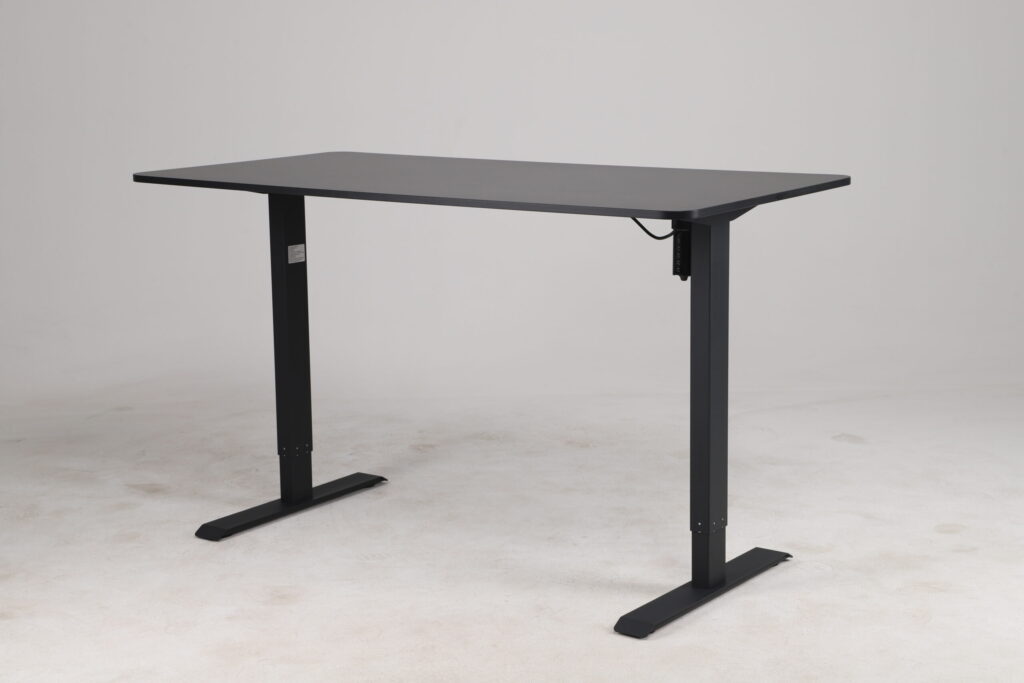
Standing desks generally come with either a single motor or a dual motor lifting system. A single motor desk is often more affordable and works well for lighter daily use, adjusting the desk smoothly between sitting and standing heights. The Rupa Height Adjustable Desk Single Motor is a good example of this type, offering reliable height adjustment without a higher price tag. Dual motor desks tend to lift more evenly and support heavier loads, which is worth considering if you plan to set up multiple monitors or heavier equipment on your desk.
Think About Desktop Size and Material
The size of your desktop should match both your workspace and how you use your desk daily. If you work with multiple monitors, keyboards, or paperwork spread out, a larger desktop gives you more room to stay organised. Material also matters for long term durability. Solid wood or engineered wood tops tend to hold up well over years of daily use, while thinner laminate tops may show wear sooner. Measuring your available space before choosing a desktop size helps avoid a desk that feels too cramped or too large for the room.
Look for Smart Features That Suit Your Routine
Modern standing desks often come with extra features designed to make daily use more convenient. Wireless charging pads, built in USB ports, and cable management trays can make a real difference if you rely on multiple devices throughout the day. The Pokhara Adjustable Desk Wireless Charger Dual Motor combines a stronger dual motor lift with a built in wireless charger, which is useful for anyone who wants to keep their phone charged without extra cables cluttering the desk surface. Think about which features actually match your daily habits before paying extra for ones you may not use.
Check Stability at Full Height
A common issue with cheaper standing desks is wobbling once they reach full standing height, especially with a keyboard or monitor in use. Stability matters just as much as the height range itself, since a shaky desk can be distracting and even risky for sensitive equipment. Look for desks with a solid frame design and a good weight capacity rating. Reading reviews or checking the manufacturer’s stability rating before buying can save you from dealing with an unstable desk later on.
Consider Weight Capacity
Weight capacity determines how much your desk can safely hold while still lifting smoothly. If you use a heavier monitor setup, a desktop computer tower, or multiple accessories, check that the desk’s stated weight limit comfortably covers your equipment. Desks with dual motors generally offer higher weight capacity compared to single motor options, which is worth factoring in in if your workspace needs to support more than just a laptop and a lamp.
Look for Memory Height Presets
Many electric standing desks include memory presets, allowing you to save your preferred sitting and standing heights for quick access. This feature is especially useful if more than one person shares the desk, since each user can save their own settings and switch between them with a single button press. Instead of adjusting the height manually every time, presets make switching positions faster and more consistent throughout the day.
Match the Desk to Your Workspace Layout
Before choosing a standing desk, think about how it will fit into your existing room layout. Measure the available floor space, including room for the desk to extend upward at full height without hitting shelves or low ceilings. Consider cord placement and nearby power outlets as well, especially if you plan to use electric height adjustment. A desk that fits naturally into your room layout will feel far more comfortable to use every day compared to one that feels squeezed into a tight corner.
Set a Budget That Matches Your Needs
Standing desks range widely in price depending on motor type, material, and added features. Decide on a budget before browsing, and think about which features matter most for your daily routine. A single motor desk may be all you need for basic use, while a dual motor model with extra features suits those who want a sturdier, more feature packed setup. Spending a little more upfront on a reliable desk often saves money in the long run by avoiding early wear or replacement.
Conclusion
Choosing the best standing desk for your workspace comes down to understanding your daily habits and matching them with the right height range, motor type, and features. Think about your desktop size, stability needs, and budget before making a decision. With the right standing desk in place, you can build a healthier, more comfortable routine that supports both your body and your productivity throughout the workday.
Frequently Asked Questions
Is a single motor or dual motor standing desk better?
A single motor desk works well for lighter daily use, while a dual motor desk offers smoother lifting and higher weight capacity for heavier setups.
What height range should a standing desk have?
Look for a desk that adjusts low enough for comfortable seated typing and high enough to support a natural standing posture with your arms at a right angle.
Do standing desks wobble at full height?
Cheaper or poorly built desks can wobble, so checking stability ratings and frame quality before buying helps avoid this issue.
How much weight can a standing desk hold?
This depends on the model, though dual motor desks generally support more weight than single motor options. Always check the manufacturer’s weight capacity rating.
Are memory height presets worth having?
Yes, especially if more than one person uses the desk, since presets let each user switch to their preferred height instantly.



Leave A Comment
You must be logged in to post a comment.