How to Choose the Perfect Wooden Bed Frame
Choosing the right bed is essential for both comfort and long-term durability, and knowing how to choose the perfect wooden bed frame can make all the difference. Wooden bed frames are popular for their strength, timeless design, and ability to suit almost any bedroom style. However, with so many options available from solid wood to engineered materials, it can be confusing to pick the right one. This guide will help you understand key factors like size, wood type, design, and budget, so you can confidently choose a wooden bed frame that enhances your sleep quality and complements your space perfectly.
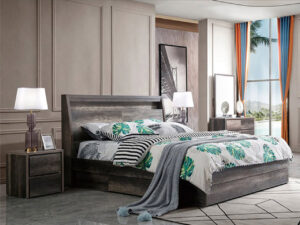
Why Choose a Wooden Bed Frame?
Wooden bed frames have remained a popular choice for decades, and for good reason. One of the biggest advantages is their durability and strength. High-quality wooden frames, especially those made from hardwood, can last for years without losing stability. Unlike some metal or low-quality alternatives, wooden frames are less likely to bend or break over time.
Another key reason is their timeless aesthetic appeal. Wooden bed frames come in a variety of finishes, textures, and designs that easily blend with both modern and traditional interiors. Whether you prefer a rustic look or a sleek contemporary style, wood adapts effortlessly to your bedroom décor.
In addition, wooden bed frames are often considered an eco-friendly option, especially when sourced from sustainable materials. Many manufacturers now use responsibly harvested wood, making it a better choice for environmentally conscious buyers.
Lastly, wooden bed frames offer great value for money. While the initial cost may be slightly higher than cheaper materials, their long lifespan and low maintenance needs make them a cost-effective investment in the long run.
Types of Wooden Bed Frames
Understanding the different types of wooden bed frames can help you choose one that fits your lifestyle, space, and design preferences.
Solid Wood Bed Frames
Solid wood frames are made entirely from natural wood such as sheesham, oak, teak, or pine. They are known for their durability, strength, and premium feel. These beds often have unique grain patterns, making each piece visually distinct.
Engineered Wood Bed Frames
Engineered wood includes materials like MDF, plywood, and particle board. These frames are more affordable and lightweight compared to solid wood. While they may not last as long, they are a good option for budget-conscious buyers or temporary setups.
Platform Beds
Platform beds feature a simple, low-profile design and do not require a box spring. They provide firm support with wooden slats and are ideal for modern, minimalist bedrooms.
Storage Beds
Storage beds are highly functional, offering built-in drawers or hydraulic lift systems. They are perfect for maximizing space, especially in smaller rooms or apartments where extra storage is essential.
Poster & Canopy Beds
These beds are more traditional and decorative, featuring tall posts or frames that can hold curtains or drapes. They add a luxurious and elegant touch to larger bedrooms.
Also Read: How to Choose the Perfect Bedside Table for Your Bedroom
Key Factors to Consider When Choosing a Wooden Bed Frame
Selecting the right wooden bed frame involves more than just appearance. Several important factors should guide your decision to ensure comfort, functionality, and durability.
Bed Size
Choosing the correct size is crucial. Options typically include single, double, queen, and king sizes. Your choice should depend on your sleeping needs and available space.
Room Size & Layout
Before purchasing, measure your room and consider the layout. A large bed in a small room can feel cramped, while a smaller bed in a spacious room may look out of place. Proper spacing ensures better movement and overall aesthetics.
Wood Type & Quality
The type of wood significantly impacts durability. Hardwood options like oak and teak are more durable, while softwoods like pine are lighter and more affordable. Always check the build quality and finish.
Design & Style
Wooden bed frames come in various styles, from modern and minimalist to classic and rustic. Choose a design that complements your existing furniture and overall bedroom theme.
Finish & Color
The finish of the bed frame should match your interior décor. Dark finishes offer a rich, traditional look, while lighter tones create a more contemporary and airy feel.
Storage Needs
If you need extra storage, consider beds with built-in drawers or hydraulic compartments. This is especially useful for smaller spaces.
Budget Considerations
Set a budget before shopping. While solid wood beds may cost more upfront, they offer better durability. Engineered wood options are more affordable but may require replacement sooner.
Wooden Bed Frame vs Other Materials
When choosing a bed, it’s important to compare wooden bed frames with other common materials to understand what suits your needs best.
Wood vs Metal Bed Frames
Wooden bed frames offer a warm, natural look that enhances the overall feel of a bedroom. In contrast, metal frames are more industrial and minimal in appearance. While metal beds are lightweight and often more affordable, they may produce noise over time and lack the sturdiness of solid wood. Wooden frames, on the other hand, provide better stability and long-term durability.
Wood vs Upholstered Beds
Upholstered beds are known for their soft, cushioned headboards and luxurious appearance. However, they require more maintenance as fabric can collect dust and stains easily. Wooden bed frames are easier to clean and maintain, making them a more practical option for everyday use. They also tend to be more durable over time compared to fabric-based designs.
Comparison Summary
| Feature | Wooden Bed Frame | Metal Bed Frame | Upholstered Bed |
|---|---|---|---|
| Durability | High | Medium | Medium |
| Aesthetic | Warm & timeless | Modern/industrial | Soft & luxurious |
| Maintenance | Low | Low | High |
| Noise | Silent | Can be noisy | Silent |
| Comfort | High | Medium | High |
| Price | Medium to high | Low to medium | Medium to high |
Overall, wooden bed frames stand out for their balance of durability, style, and practicality, making them a reliable long-term investment.
Best Wood Types for Bed Frames
The type of wood used in a bed frame plays a major role in its durability, appearance, and price. Here are some of the most popular options:
Sheesham Wood
Sheesham, also known as Indian rosewood, is highly durable and resistant to termites. It has a rich grain pattern and natural finish, making it a popular choice for premium furniture. It offers both strength and aesthetic appeal.
Oak Wood
Oak is a hardwood known for its strength and long lifespan. It has a classic look with visible grain patterns and is resistant to wear and tear. Oak bed frames are ideal for those looking for long-term durability.
Teak Wood
Teak is one of the most premium wood types, known for its natural oils that make it resistant to moisture, pests, and decay. It is extremely durable and requires minimal maintenance, though it comes at a higher price.
Pine Wood
Pine is a softwood that is lightweight and more affordable. It is easy to work with and comes in lighter shades, making it suitable for modern or minimalist designs. However, it may not be as durable as hardwood options.
Each wood type offers different benefits, so your choice should depend on your budget, style preference, and how long you want the bed frame to last.
How to Check the Quality of a Wooden Bed Frame
Ensuring the quality of a wooden bed frame is essential to avoid future issues and get the best value for your money. Here are some key factors to check before making a purchase:
Joinery and Craftsmanship
High-quality wooden bed frames use strong joinery techniques such as dovetail joints or sturdy screws instead of weak adhesives. Check how the parts are connected to ensure long-term stability.
Weight and Sturdiness
A good wooden bed frame should feel solid and stable. Heavier frames are often made from high-quality wood and provide better support compared to lightweight, flimsy options.
Finish and Polish Quality
Examine the surface finish carefully. A smooth, even polish indicates good craftsmanship, while rough edges or uneven coating may signal poor quality. A good finish also protects the wood from damage.
Slat Strength and Support
Check the bed slats, as they play a key role in supporting the mattress. Strong, well-spaced slats ensure proper weight distribution and prevent sagging over time.
Warranty and Brand Reliability
Always consider the warranty offered by the manufacturer. A longer warranty often reflects confidence in product quality. Choosing a trusted brand can also reduce the risk of defects or poor craftsmanship.
By paying attention to these details, you can confidently select a wooden bed frame that is durable, well-built, and worth your investment.



Leave A Comment
You must be logged in to post a comment.