Memory Foam Mattress Topper: Complete Guide to Comfort, Support & Better Sleep
A memory foam mattress topper is a simple yet effective way to transform your sleep experience without buying a new mattress. Designed to contour to your body, it provides exceptional comfort, pressure relief, and spinal support, making it ideal for side sleepers, back sleepers, and anyone struggling with aches. Whether your mattress feels too firm or has started sagging, a memory foam topper can rejuvenate it in minutes. With options ranging from cooling gel-infused foam to high-density support layers, these toppers offer an affordable and practical solution for better sleep, improved posture, and overall nighttime comfort.
What Is a Memory Foam Mattress Topper?
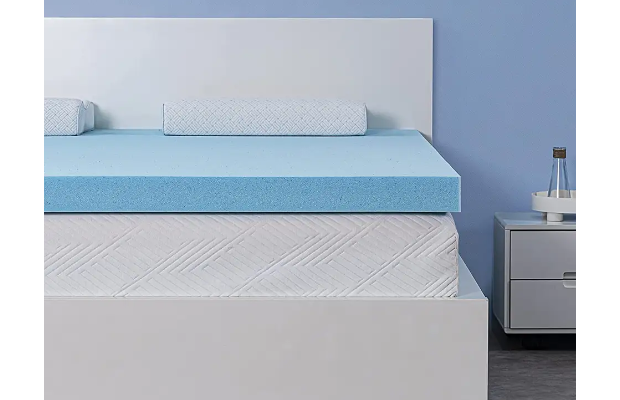
A memory foam mattress topper is a thin layer of foam designed to sit on top of your existing mattress, adding extra comfort and support. Unlike regular mattress pads or feather toppers, memory foam conforms closely to the shape of your body, providing personalized cushioning for every curve. This unique feature helps to relieve pressure points, reduce tossing and turning, and promote proper spinal alignment during sleep.
Memory foam works by reacting to your body heat and weight, softening in areas where more pressure is applied and maintaining firmness where support is needed. This means it adapts to your individual sleeping position, whether you are a side, back, or stomach sleeper.
It’s important to distinguish a mattress topper from a full mattress. While a mattress is a complete sleep surface, a topper is a cost-effective way to upgrade comfort without replacing your entire bed. Mattress toppers are also portable, making them ideal for renters, students, or anyone who moves frequently.
Some toppers come with additional features such as gel infusion for cooling, open-cell structures for better airflow, or high-density foam for long-lasting support. With so many options available, a memory foam topper can solve common sleep issues like firmness, sagging, or uneven surfaces, making it a practical solution for better sleep quality.
Benefits of Using a Memory Foam Mattress Topper (500 words)
Investing in a memory foam mattress topper can dramatically improve the quality of your sleep. Here are some of the key benefits that make it a popular choice for sleepers of all kinds:
1. Improved Comfort
If your mattress feels too firm, a memory foam topper can add a soft, plush layer that cushions your body. The foam contours to your shape, providing comfort without sacrificing support. Even older mattresses that have started to sag can feel like new with the right topper.
2. Pressure Relief
Memory foam excels at relieving pressure from sensitive areas like the hips, shoulders, and lower back. By evenly distributing your body weight, it reduces strain and helps prevent morning aches and pains. This makes it especially beneficial for side sleepers and people with joint issues.
3. Better Spinal Alignment
Proper spinal alignment is essential for restorative sleep. Memory foam helps maintain a neutral spine by supporting natural curves. This reduces the risk of back pain and improves posture over time, giving you a healthier sleep experience.
4. Cost-Effective Upgrade
Replacing a mattress can be expensive, but a topper offers a more affordable alternative. It allows you to upgrade comfort and support at a fraction of the cost of a new mattress, making it ideal for budget-conscious buyers.
5. Motion Isolation
For couples, motion transfer can be a big problem. Memory foam absorbs movement, ensuring that even if one partner shifts or gets up during the night, the other remains undisturbed.
6. Temperature Regulation (Optional with Gel Foam)
Some memory foam toppers include gel infusion or open-cell designs that promote airflow and reduce heat retention. This ensures a cooler sleeping surface, particularly useful for people who tend to sleep hot.
7. Easy Maintenance and Portability
Toppers are lightweight and easy to move. Many come with removable, washable covers, making cleaning simple. They can also be rolled or folded for storage or transport, which is helpful for students, renters, or travelers.
By addressing issues like firmness, support, and motion transfer, a memory foam mattress topper provides a versatile solution that benefits a wide range of sleepers. Whether you want to enhance an old mattress or improve your overall sleep quality, this simple addition can make a noticeable difference.
Types of Memory Foam Mattress Toppers (400 words)
Memory foam mattress toppers come in various types, each offering unique benefits. Choosing the right type depends on your sleep needs, comfort preferences, and budget.
Traditional Memory Foam
This is the classic memory foam known for its body-contouring properties. It softens with heat and weight, providing excellent pressure relief and comfort. Traditional memory foam is ideal for sleepers seeking a plush, snug feel.
Gel-Infused Memory Foam
Gel-infused foam incorporates cooling gel beads to help regulate temperature. This type is perfect for people who tend to sleep hot, as it reduces heat retention while still offering the signature support of memory foam.
Open-Cell Memory Foam
Open-cell memory foam has a porous structure that enhances airflow. Better ventilation prevents heat buildup and keeps the sleeping surface cooler and more breathable. This type is often recommended for hot climates or warm sleepers.
High-Density vs Low-Density Foam
High-density memory foam is more durable and provides firm support. It maintains shape for years and is suitable for heavier individuals or those needing extra spinal support. Low-density foam is softer and more responsive but may wear out faster.
Layered Memory Foam Toppers
Some toppers combine multiple layers of foam to offer a balance of softness and support. For example, a top layer may provide plush comfort, while the bottom layer ensures stability and proper spinal alignment.
Other Features
- Certifications: Look for CertiPUR-US certified foams for safety and quality assurance.
- Cover Material: Removable and washable covers make maintenance easy.
- Thickness Options: Ranges from 2 inches (subtle comfort) to 4 inches (significant mattress upgrade).
By understanding the different types of memory foam toppers, you can choose one that matches your sleeping habits, temperature preferences, and comfort needs. Selecting the right type ensures maximum benefit and long-term satisfaction with your sleep surface.
How to Choose the Best Memory Foam Mattress Topper
Choosing the right memory foam mattress topper can make all the difference in your sleep quality. With so many options available, knowing what factors to consider will help you select a topper that suits your needs perfectly.
Thickness Guide (2-inch vs 3-inch vs 4-inch)
The thickness of a topper affects both comfort and support. A 2-inch topper adds subtle softness to an already comfortable mattress. A 3-inch topper is ideal for balancing comfort and support, while a 4-inch topper can significantly improve a sagging or firm mattress, offering plush cushioning and enhanced pressure relief.
Firmness Level
Memory foam toppers range from soft to firm. Soft toppers are great for side sleepers who need extra cushioning on shoulders and hips. Medium firmness suits back sleepers by providing both comfort and spinal alignment, and firmer options are preferred by stomach sleepers or heavier individuals needing more support.
Sleeping Position
Your preferred sleeping position plays a key role in choosing the topper. Side sleepers benefit from softer, pressure-relieving toppers, back sleepers need medium support for spine alignment, and stomach sleepers should look for firmer options to prevent sinking and strain on the lower back.
Cooling Features
Memory foam can trap heat, which might cause discomfort for hot sleepers. Gel-infused memory foam or open-cell designs help improve airflow and dissipate heat, keeping the sleeping surface cooler. Some toppers even include breathable covers for additional ventilation.
Certifications
Look for toppers with CertiPUR-US certification to ensure they are free from harmful chemicals and safe for everyday use. This guarantees both quality and peace of mind.
Cover Material & Washability
A removable, washable cover makes maintenance easy and prolongs the life of your topper. Natural fabrics like cotton or bamboo are breathable, hypoallergenic, and more comfortable against the skin compared to synthetic covers.
By carefully considering these factors—thickness, firmness, sleeping position, cooling features, certifications, and cover material—you can choose a memory foam mattress topper that not only enhances comfort but also supports a healthier, more restful sleep.
Memory Foam Mattress Topper vs Other Toppers
When deciding on a mattress topper, it’s important to compare memory foam with other popular types to see which one suits your needs best.
Latex Toppers
Latex toppers are naturally resilient, bouncy, and hypoallergenic. They provide firm support and excellent durability but may feel less contouring compared to memory foam. They are ideal for those who prefer a slightly springy feel.
Feather/Down Toppers
Feather or down toppers offer a soft, plush feel but provide minimal support. They are great for adding a luxurious softness but may not relieve pressure or correct spinal alignment. Regular fluffing is required to maintain comfort.
Wool Toppers
Wool toppers excel at regulating temperature and wicking moisture. They are eco-friendly and naturally resistant to dust mites, but they are softer and less supportive than memory foam, making them better suited as a cooling layer rather than for pressure relief.
Comparison Summary
| Feature | Memory Foam | Latex | Feather/Down | Wool |
|---|---|---|---|---|
| Support | Excellent | Firm | Low | Medium |
| Comfort | High (contours to body) | Medium | High (plush) | Medium |
| Durability | 5–7 years | 8–10 years | 3–5 years | 5–7 years |
| Heat Retention | Can be high | Low | Low | Low |
| Price | Moderate | High | Moderate | Moderate |
Memory foam stands out for its combination of pressure relief, support, and motion isolation, making it an ideal choice for people with back pain, couples, and anyone looking to upgrade their mattress without replacing it.
Also Read: Your Complete Guide to a Queen-Size Waterproof Mattress Protector
Who Should Use a Memory Foam Mattress Topper
A memory foam mattress topper can benefit a wide range of sleepers. Understanding who will gain the most from it can help you make a smart purchase.
People with Back Pain
Those struggling with back pain often find relief with a memory foam topper. By contouring to the body and supporting natural spinal alignment, it reduces pressure on the lower back and promotes healthier posture during sleep.
Side Sleepers
Side sleepers place significant pressure on their hips and shoulders. A softer memory foam topper cushions these areas, alleviating discomfort and preventing joint strain, making it easier to stay in one position comfortably throughout the night.
Budget-Conscious Buyers
Replacing a mattress can be expensive. A memory foam topper is a cost-effective solution for upgrading comfort and support without investing in a full mattress replacement.
Students or Renters
Toppers are lightweight, portable, and easy to roll up or move, making them ideal for students or anyone living in temporary accommodation. They can instantly improve an older or less comfortable mattress.
Couples
Memory foam excels at motion isolation, so one partner’s movements are less likely to disturb the other. This makes it perfect for shared beds where tossing and turning can affect sleep quality.
By identifying your specific sleep needs—whether it’s pressure relief, comfort, budget, or portability—you can see why a memory foam topper might be the perfect addition to your bed.
Pros and Cons of Memory Foam Mattress Toppers
While memory foam mattress toppers offer many advantages, it’s important to consider both the benefits and potential drawbacks.
Pros
- Comfort and Support: Conforms to your body shape for personalized comfort.
- Pressure Relief: Reduces strain on shoulders, hips, and back.
- Cost-Effective: Provides a mattress upgrade without a full replacement.
- Motion Isolation: Minimizes disturbances between partners.
- Durability: High-quality foam can last several years with proper care.
Cons
- Heat Retention: Traditional memory foam can trap heat, making it uncomfortable for hot sleepers.
- Initial Odor (Off-Gassing): New foam may release a chemical smell, though this typically fades within a few days.
- May Feel Too Soft: Some sleepers, particularly stomach sleepers or heavier individuals, might find softer foam less supportive.
- Weight: High-density foam toppers can be heavier and slightly harder to move.
Weighing these pros and cons ensures that you select a topper that matches your personal preferences, sleep habits, and comfort requirements.
How to Use and Maintain Your Mattress Topper
Proper use and maintenance of a memory foam mattress topper ensures maximum comfort and longevity.
Proper Placement
Place the topper directly on your mattress, ensuring it lies flat and evenly across the bed. Avoid folding or bending, as this can damage the foam.
Cleaning Tips
Most toppers come with a removable, washable cover. Spot clean the foam itself with mild detergent and cold water. Avoid soaking the foam to prevent mold and deterioration.
Rotation & Lifespan
Rotate the topper 180 degrees every few months to ensure even wear and maintain comfort. With proper care, a high-quality memory foam topper can last 3–5 years or longer.
Storage Tips
If you need to store the topper, roll it gently instead of folding to prevent creases. Keep it in a cool, dry place away from direct sunlight and moisture to preserve its shape and durability.
Common Mistakes to Avoid
Avoiding common mistakes helps you get the most from your memory foam mattress topper.
- Choosing the Wrong Thickness: Too thin may offer little improvement; too thick can feel too soft or reduce mattress support.
- Ignoring Firmness Level: Matching firmness to your sleeping position is essential for comfort and spinal alignment.
- Neglecting Cooling Features: Hot sleepers should look for gel-infused or ventilated toppers to avoid overheating.
- Buying Low-Quality Foam: Cheap foam may sag quickly or contain harmful chemicals. Always check certifications like CertiPUR-US.
By steering clear of these pitfalls, you can ensure a better night’s sleep and longer-lasting comfort.
How Long Does a Memory Foam Mattress Topper Last?
A well-maintained memory foam mattress topper typically lasts 3–5 years. Lifespan depends on factors like foam density, thickness, and usage patterns.
High-Density Foam
Lasts longer due to stronger support, maintaining shape and comfort over time.
Low-Density Foam
More affordable and softer but may compress faster, losing its contouring ability.
Care & Maintenance
Proper rotation, use of protective covers, and avoiding moisture help extend the life of your topper.
Replacing a topper when it starts losing shape or support ensures that your sleep quality remains high without investing in a full mattress replacement.
Best Memory Foam Mattress Toppers (Optional – Buyer Guide Section)
Here are some top memory foam mattress toppers that offer comfort, support, and durability:
- Classic Memory Foam Topper – Affordable, 3-inch thickness, excellent for side sleepers.
- Gel-Infused Cooling Topper – Keeps hot sleepers comfortable while providing pressure relief.
- High-Density Support Topper – Durable and firm, ideal for back or stomach sleepers.
- Layered Memory Foam Topper – Combines soft comfort and stable support for versatile sleepers.
Including internal links to your product pages can help readers easily find and purchase these toppers.
Conclusion
A memory foam mattress topper is a practical, cost-effective solution to enhance your sleep quality. From relieving pressure and improving spinal alignment to reducing motion disturbances, it offers numerous benefits for all types of sleepers. With various thicknesses, firmness levels, and cooling features available, you can easily find a topper that suits your preferences. Whether you are dealing with an old, sagging mattress or just want to upgrade comfort, a memory foam topper is a smart investment in restful, rejuvenating sleep.
Upgrade your sleep today and experience the comfort and support a quality memory foam mattress topper provides!
FAQs About Memory Foam Mattress Toppers
Is a memory foam topper good for back pain?
Yes, it supports spinal alignment and relieves pressure on the lower back.
Can it fix a sagging mattress?
It can improve comfort and reduce uneven surfaces but may not completely replace an old mattress.
Do memory foam toppers make you hot?
Traditional foam can trap heat, but gel-infused or ventilated options stay cooler.
How thick should a topper be?
2–3 inches for mild comfort upgrades, 4 inches for significant support and cushioning.
Is it worth buying?
Absolutely, if you want better comfort, pressure relief, or to rejuvenate your mattress without spending on a full replacement.


Leave A Comment
You must be logged in to post a comment.