The 10 latest home decor trends for Australian homes are all about warmth, comfort and personality. After years of stark white walls, cool greys and showroom-perfect minimalism, Australians are creating homes that feel relaxed, lived-in and connected to nature. Earthy colours are replacing cold neutrals. Timber, stone and linen are adding texture, and curved furniture is softening hard edges. Personal pieces are making each home feel like its own.
Practicality matters just as much. Australians want storage that works, furniture that suits the way they actually live, and spaces that flow out to the garden or balcony. Whether you own a family home, rent an apartment or are furnishing your first place, this guide covers the 10 biggest decor trends for 2026 and how to bring them into your home without starting from scratch.
Key Highlights
- The big shift: From cool and minimal to warm, textured and personal.
- Trending colours: Warm beige, caramel, terracotta, olive, and soft blush and mauve.
- Materials: Timber, stone, linen, wool, rattan and ceramics.
- Furniture: Curved sofas, rounded coffee tables and sculptural pieces.
- What’s out: All-grey rooms, stark white walls and perfectly matched furniture sets.
- Easy wins: Rugs, cushions, lamps, artwork and one statement furniture piece.
- For renters: Most trends can be achieved without painting or renovating.
What Are the Biggest Home Decor Trends in Australia Homes?
At a glance, the trends shaping Australian homes in 2026 are:
- Warm and earthy colour palettes
- Natural materials
- Curved and organic furniture
- Layered textures
- Personalised, collected interiors
- Japandi-inspired simplicity
- Modern Australian coastal style
- Statement and layered lighting
- Beautiful, functional storage
- Indoor–outdoor living
10 Latest Home Decor Trends for Australian Homes
1. Warm and Earthy Colour Palettes
Cool greys and brilliant whites are giving way to warmer, richer colours. Popular choices include warm beige, cream, caramel, terracotta, clay, rust, olive, chocolate brown and soft blush. These tones feel calm and welcoming, and they glow in Australia’s strong natural light instead of looking flat or cold.
The Dulux 2026 Colour Forecast reflects this move. Its three palettes all centre on warmth, calm and connection, which we cover in the colour section below.
How to try it: Start with warm-coloured cushions, throws, curtains and artwork before committing to a painted feature wall.
2. Natural Materials Take Centre Stage
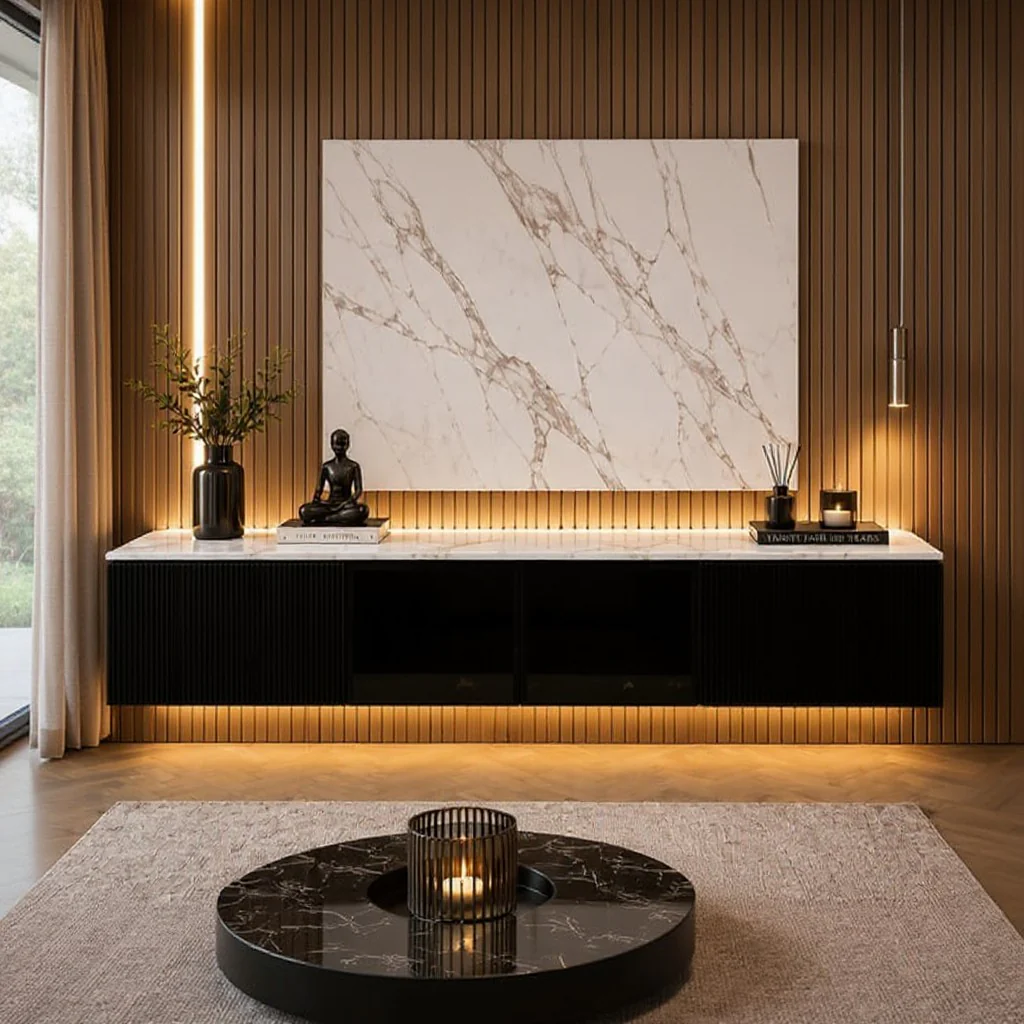
Natural materials are the backbone of Australian decor in 2026. Timber, stone, marble, linen, wool, rattan and ceramics bring texture and warmth that synthetic finishes can’t match, and they tend to age well instead of dating quickly.
Timber is the easiest place to start. A solid timber dining table or a coffee table with a natural grain instantly warms up a room. Stone and marble-look surfaces add a touch of luxury to side tables, benchtops and decorative pieces.
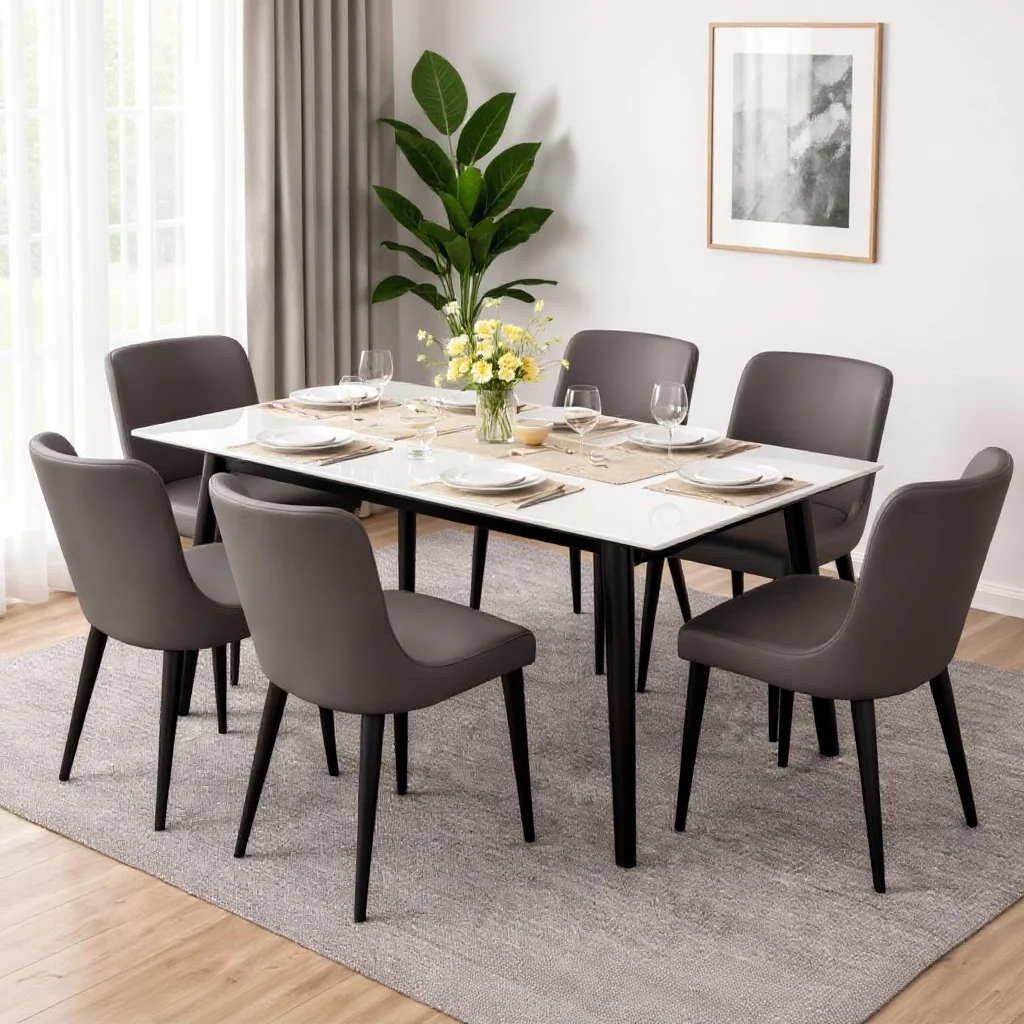
How to try it: Swap one synthetic-looking piece for a natural material, such as a timber side table, a linen throw or a ceramic vase.
3. Curved and Organic Furniture
Sharp, boxy furniture is being replaced by softer shapes. Curved sofas, round and oval coffee tables, rounded armchairs, arched mirrors and sculptural lamps make a room feel more relaxed and inviting. In new builds, curves are even appearing in kitchen islands and cabinetry.
How to try it: You don’t need to fill the room with curves. One or two rounded pieces, such as a round coffee table or an arched mirror, balance out straight-lined furniture. Browse living room furniture for rounded silhouettes.
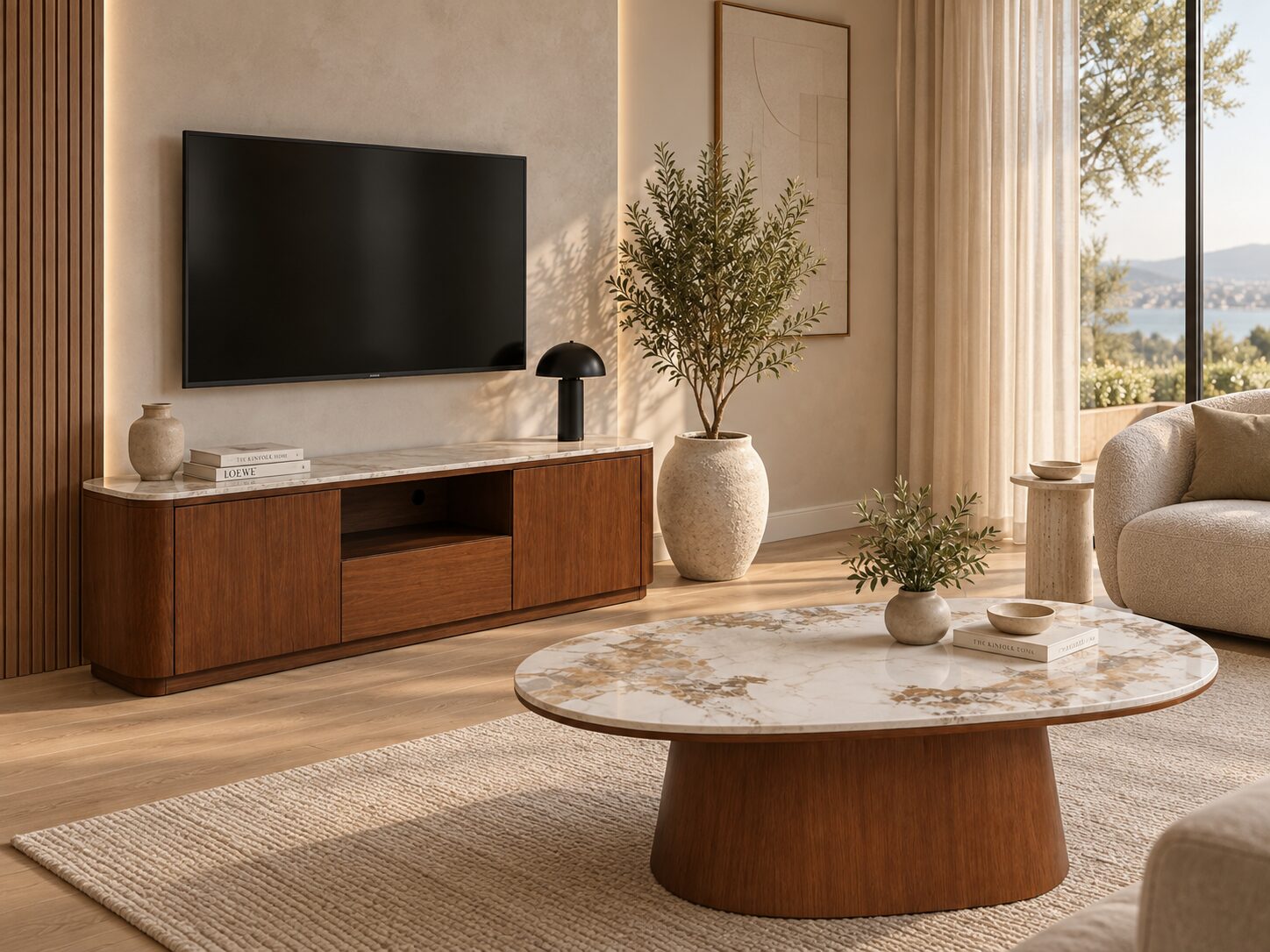
4. Layered Textures for a Cosier Home
Australians are using texture, not just colour, to make rooms feel rich and comfortable. Think linen curtains, wool or jute rugs, bouclé and velvet upholstery, woven baskets, textured cushions and handmade ceramics. Mixing several textures in one space adds depth, even in a neutral room.
How to try it: Combine at least three textures in each room, such as a smooth timber table, a chunky knit throw and a woven rug.
5. Personalised and Collected Interiors
The perfectly styled catalogue look is out. In 2026, Australians want homes that tell their story, filled with books, artwork, vintage finds, travel souvenirs, family pieces, handmade objects and plants. A home should look like someone actually lives there, not like a furniture showroom.
How to try it: Build a gallery wall, style a shelf with meaningful objects, or mix one vintage piece in with newer furniture. Wall art from our home decor range is an easy way to add personality.
6. Japandi-Inspired Australian Interiors
Japandi blends Japanese minimalism with Scandinavian comfort. It features clean lines, natural timber, soft neutral colours, low-profile furniture, handcrafted details and very little clutter. The style suits Australian homes because it is calm, practical and pairs naturally with timber and plenty of light.
How to try it: Choose low, simple furniture in light or mid-tone timber. Keep surfaces clear, and add one or two handmade ceramic pieces.
7. Modern Australian Coastal Style
Coastal style has grown up. Rather than blue and white with anchors, modern Australian coastal interiors use sand and stone tones, pale timber, linen, rattan, soft neutrals, indoor plants and lots of natural light. The result feels relaxed and sophisticated, and it works in suburban and city homes as well as near the beach.
How to try it: Use pale timber furniture, a natural-fibre rug and linen cushions in sand, oatmeal or soft sage.
8. Statement and Layered Lighting
Lighting is now part of the decor, not just a necessity. Sculptural pendants, oversized floor lamps, decorative table lamps and wall sconces create atmosphere and act as features in their own right. Rather than relying on one harsh ceiling light, designers layer light through the room.
How to try it: Use three layers of light:
- Ambient: General lighting for the whole room.
- Task: Reading lamps and kitchen pendants.
- Accent: Lamps that highlight artwork or corners.
Choose warm-white globes for a cosy evening feel.
9. Beautiful and Functional Storage
With Australian homes and apartments getting smaller, smart storage is essential, and it now looks good too. Popular options include built-in cabinetry, full-height wardrobes, storage beds, TV units with drawers, buffets and multifunctional furniture that hides clutter.
How to try it: Let your furniture do the storage work. A gas-lift or storage bed frame keeps linen out of sight, a TV unit and coffee table set with drawers tidies the living room, and a wardrobe frees up bedroom floor space.
10. Indoor–Outdoor Living
Indoor–outdoor living is part of the Australian lifestyle, and decor is being used to blur the line between inside and out. Large windows, sliding doors, outdoor dining areas and covered entertaining spaces are styled to feel like one continuous living area.
How to try it: Repeat colours and materials inside and out, such as timber, rattan and green plants. Place your dining table where it connects to the patio or balcony.

Trending Colours for Australian Homes
The Dulux Colour Forecast, a widely followed guide for Australian interiors, features three palettes:
- Elemental: Warm whites, creams and golden browns such as Blended Cream, Hog Bristle Quarter, Caramel Sundae and Coffee Dust. It is calm, grounded and timeless.
- Ethereal: Soft greens, mauves and blush pinks. It is gentle, serene and quietly luxurious.
- Evoke: Rich, comforting tones such as Baked Clay, Magic Melon (burnt orange), Germania (mustard gold), Misty Grape and Deep Aqua. It is expressive and nostalgic.
The main colour families to watch are:
- Warm beige and cream: The new neutral base, replacing cool grey.
- Terracotta and clay: Earthy and warm, especially on accent walls and in cushions.
- Olive and sage greens: They bring nature indoors and pair beautifully with timber.
- Caramel and chocolate brown: Rich and cosy in upholstery, leather and timber tones.
- Soft pastels: Blush, mauve and pale green for bedrooms and calm spaces.
- Richer accent colours: Plum, mustard and deep aqua, used in small doses.
Home Decor Trends by Room
Living Room
Curved or modular sofas, large textured rugs, layered lighting, natural timber, statement artwork and earthy cushions all feature. A matching TV unit and coffee table in timber or stone-look finishes anchors the space.
Bedroom
Soft neutral or pastel palettes, layered linen bedding, upholstered bedheads in velvet or bouclé, warm bedside lamps and minimal bedside styling. Storage beds are popular in smaller rooms.
Dining Room
Solid timber or stone-look tables, a mix of upholstered and timber chairs, and a statement pendant light above the table. Mismatched chairs are also on trend. Read our guide to the best dining chairs in Australia.
Kitchen
Warm timber and beige-toned cabinetry, stone benchtops, statement islands (increasingly curved), decorative pendants and brushed metal tapware.
Bathroom
Warm finishes, natural stone, timber-look vanities, brushed metal tapware and spa-inspired styling with plants, soft towels and good hidden storage.
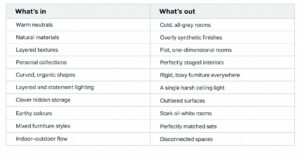
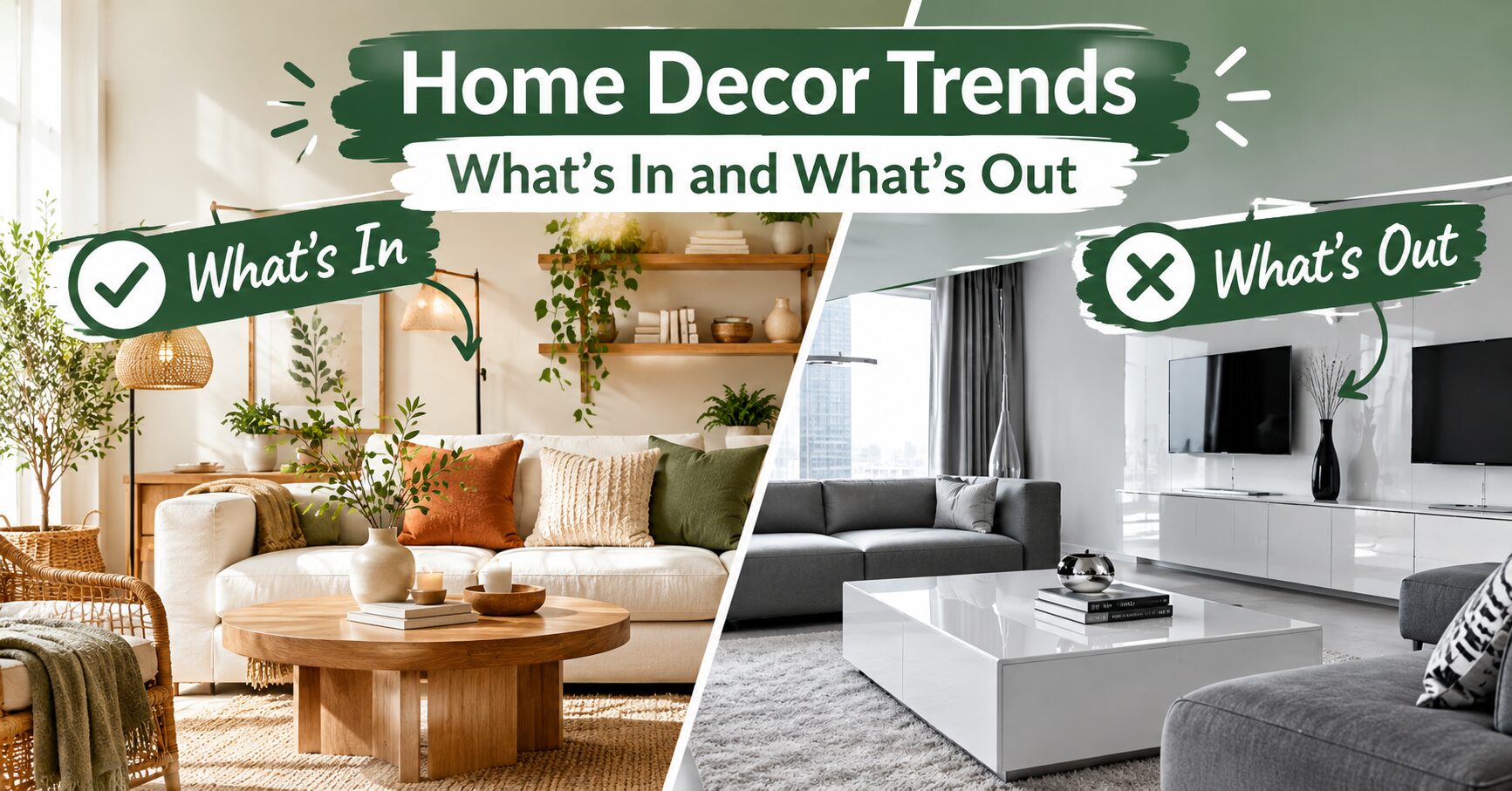
What’s In and What’s Out in Australian Home Decor?
How to Add Trends Without Redecorating Your Whole Home
- Start with soft furnishings. New cushions, throws, rugs and curtains can change a room’s whole mood in an afternoon.
- Change your lighting. Add a floor lamp or a table lamp with warm-white globes.
- Add natural materials. Introduce timber, stone, rattan or linen through one or two pieces.
- Add one statement piece. A curved coffee table, a bold armchair or a large artwork gives the room a focal point.
- Introduce colour gradually. Test a colour through accessories before painting a wall.
How to Choose Trends That Will Last
- Invest in quality where it counts. Sofas, beds and dining tables get daily use.
- Choose natural materials where practical. They age better than synthetics.
- Keep fast trends to accessories. Cushions and decor are cheap to update.
- Respect your home’s architecture. A 1950s brick home and a new apartment suit different looks.
- Choose colours you genuinely love, not just what’s popular this year.
- Balance trends with timeless pieces, so your home doesn’t date all at once.
Decorating for Australian Conditions
Australia’s climate should shape your decor choices:
- Strong sun: UV fades fabrics and timber, so choose fade-resistant upholstery and use sheer curtains in sunny rooms.
- Humid regions (such as Queensland and northern NSW): Breathable fabrics like linen and cotton, and furniture with airflow, work better than heavy velvets.
- Cooler regions (such as Melbourne, Tasmania and Canberra): Wool rugs, velvet, bouclé and heavier throws add winter warmth.
Home Decor Trends for Different Australian Home Types
- Apartments: Multifunctional furniture, vertical storage, light colours, mirrors to bounce light, and flexible layouts.
- Small homes: Furniture sized to the room, storage beds, nesting tables and minimal clutter.
- Family homes: Durable, easy-clean fabrics, practical storage, comfortable seating and zones that adapt as children grow.
- Coastal homes: Natural textures, light timber, linen and soft sandy colours.
- Heritage homes: Keep original details like fireplaces and cornices, and pair them with modern furniture and contemporary lighting.
Sustainable Home Decor Trends
Sustainability is shaping how Australians shop. The key habits are buying fewer, better pieces that last, choosing natural and durable materials, mixing in second-hand and vintage finds, repairing and reupholstering instead of replacing, and avoiding cheap decor that won’t last a season.
How Much Does It Cost to Follow Home Decor Trends?
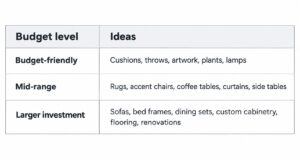
Watch for furniture sales to make bigger updates more affordable.
Conclusion
The latest home decor trends for Australian homes point in one clear direction: comfort, warmth, function and individuality. Warm earthy colours, natural materials, curved furniture, layered textures, smart storage and personal touches all help create homes that feel good to live in, not just to look at. You don’t need to follow every trend. Choose the ones that suit your home, your climate and your lifestyle.
Ready to refresh your space? Explore Easy Home Furniture for affordable, on-trend furniture and decor to bring these ideas into your home.
Frequently Asked Questions
What are the latest home decor trends in Australia?
Warm earthy colours, natural materials, curved furniture, layered textures, personalised interiors, Japandi, modern coastal style, statement lighting, smart storage and indoor–outdoor living.
What colours are trending in Australian homes in 2026?
Warm beige, cream, caramel, terracotta, olive and sage green, plus soft blush and mauve. Deeper accents like plum and mustard are used in small doses.
Is grey still popular in Australian interior design?
Cool grey is fading. Where grey is used, warmer greys paired with timber and texture are preferred.
What furniture is trending in Australia?
Curved sofas, round coffee tables, natural timber pieces, upholstered bedheads and storage-friendly furniture.
Are natural materials still trending?
Yes. Timber, stone, linen and wool remain among the most enduring trends.
What is the Australian coastal interior style?
It is relaxed and light, with sandy neutrals, pale timber, linen, rattan, plants and plenty of natural light.
Is Japandi still popular in Australia?
Yes. Its calm, natural and practical style suits Australian homes well.
How can I update my home without spending a lot?
Change cushions, throws and lamps, add a rug or artwork, and bring in plants.
What home decor trends are likely to last?
Natural materials, warm neutrals, layered textures, good lighting and functional storage.
How can I make my Australian home feel warmer and more inviting?
Use warm colours, layer textures, add warm lighting and display personal pieces.

Leave A Comment
You must be logged in to post a comment.