What are the different types of rugs? This is a common question for homeowners and interior design enthusiasts looking to enhance their spaces with the right floor covering. Rugs are not just decorative pieces—they add warmth, comfort, and style while helping define different areas in a room. With so many options available in terms of size, material, construction, and design, choosing the right rug can feel overwhelming. Understanding the different types of rugs makes it easier to match your décor, lifestyle, and budget. In this guide, we’ll explore the most popular rug types, their uses, and tips to help you select the perfect rug for your home.
What Is a Rug?
A rug is a piece of floor covering that is usually smaller than a carpet and is designed to cover a specific area of a room. Rugs are commonly used to add warmth, comfort, and style while also helping define spaces within a room.
Unlike wall-to-wall carpets, rugs are movable and versatile. They can be placed in living rooms, bedrooms, dining areas, hallways, and even outdoor spaces. Rugs also help protect flooring from wear and tear, reduce noise, and make rooms feel more inviting.
In modern homes, rugs play both a functional and decorative role, making them an essential element of interior design.
Types of Rugs Based on Size and Placement
Rugs come in different sizes and shapes, and choosing the right one depends on where and how you plan to use it. Understanding rug types based on size and placement helps ensure a balanced and well-designed space.
Area Rugs
Area rugs are the most common type of rug used in homes. They are designed to cover a large portion of the floor and help define seating or dining areas. Area rugs work well in living rooms, bedrooms, and dining rooms.
They come in various sizes and can be placed under furniture or used to highlight a specific area of the room. Area rugs add warmth, comfort, and visual interest to large spaces.
Runner Rugs
Runner rugs are long and narrow, making them ideal for hallways, staircases, kitchens, and entryways. They help protect high-traffic areas while adding color and texture.
Runner rugs also improve safety by reducing slipping and are a great way to make narrow spaces feel more welcoming.
Accent Rugs
Accent rugs are smaller decorative rugs used to highlight specific areas such as doorways, bedside spaces, or reading corners. They are mainly used for style and design rather than full floor coverage.
Accent rugs are an easy way to experiment with colors, patterns, and textures without committing to a large rug.
Types of Rugs Based on Material
The material of a rug plays a big role in how it feels, looks, and performs. Different materials offer different benefits in terms of durability, comfort, and maintenance.
Wool Rugs
Wool rugs are known for their softness, durability, and natural insulation. They are long-lasting and resistant to dirt, making them suitable for living rooms and bedrooms.
Cotton Rugs
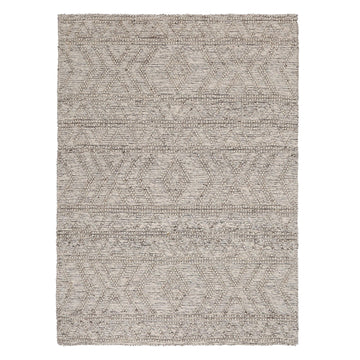
Cotton rugs are lightweight, affordable, and easy to clean. Many cotton rugs are machine washable, making them ideal for casual spaces and low-traffic areas.
Silk Rugs
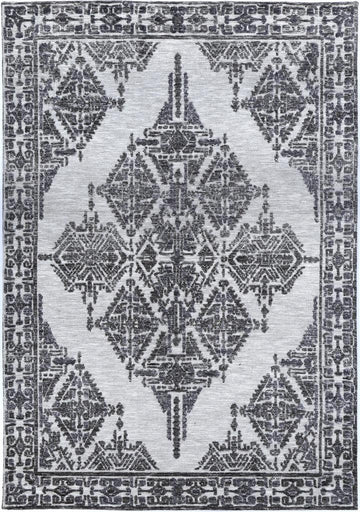
Silk rugs have a luxurious feel and a natural shine. They are often used for decorative purposes and are best suited for low-traffic areas due to their delicate nature.
Jute and Sisal Rugs
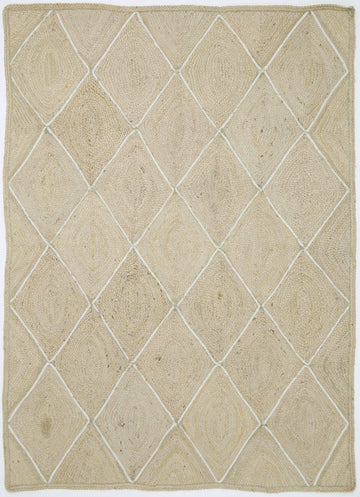
Jute and sisal rugs are made from natural fibers and are eco-friendly options. They add a natural, earthy look to spaces and work well in living rooms and entryways.
Synthetic Rugs
Synthetic rugs are made from materials like polypropylene, nylon, or polyester. They are stain-resistant, affordable, and easy to maintain, making them great for homes with pets or children.
Types of Rugs Based on Construction
Rug construction refers to how a rug is made. This affects its durability, price, texture, and overall quality. Understanding different construction types helps you choose a rug that fits both your budget and lifestyle.
Hand-Knotted Rugs
Hand-knotted rugs are made by skilled artisans who tie individual knots by hand. This process takes a long time, which is why these rugs are often expensive. However, they are extremely durable and can last for decades if cared for properly.
These rugs usually feature detailed patterns and are considered high-quality, long-term investments. They work best in living rooms or formal spaces.
Hand-Tufted Rugs
Hand-tufted rugs are made using a tufting gun instead of individual knots. This makes them faster to produce and more affordable than hand-knotted rugs.
They offer good quality and attractive designs but are not as durable as hand-knotted rugs. Hand-tufted rugs are suitable for bedrooms and medium-traffic areas.
Machine-Made Rugs
Machine-made rugs are produced using automated machines. They are the most affordable and widely available rug type.
These rugs come in many styles, colors, and materials. While they may not last as long as handmade rugs, they are a practical option for busy households and high-traffic areas.
Types of Rugs Based on Style and Design
Rug styles play a major role in defining the look and feel of a room. Choosing the right design helps tie furniture and décor together.
Traditional Rugs
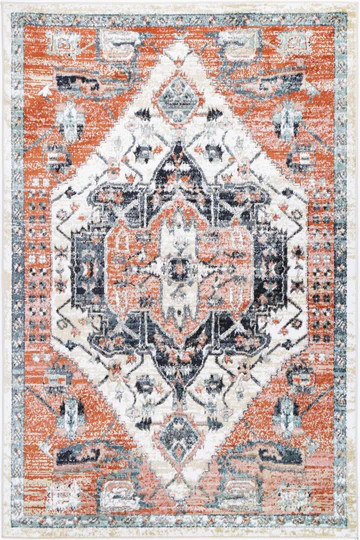
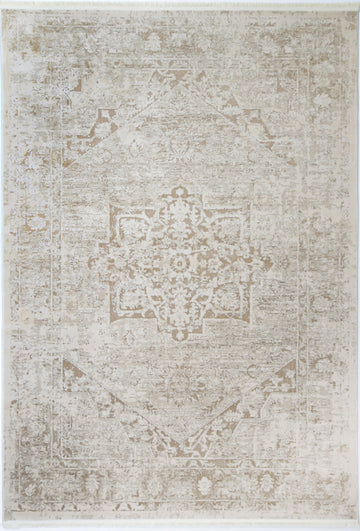
Traditional rugs often feature detailed patterns, floral designs, and rich colors. Persian and Oriental rugs fall into this category.
They work well in classic or formal interiors and add a sense of elegance and warmth.
Modern and Contemporary Rugs
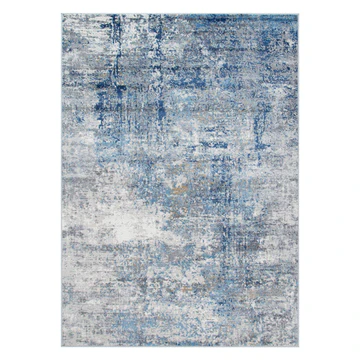
Modern rugs focus on clean lines, abstract patterns, and neutral or bold colors. They suit minimalist and contemporary interiors.
These rugs are ideal for modern living rooms and open-plan spaces.
Bohemian Rugs
Bohemian rugs feature vibrant colors, mixed patterns, and artistic designs. They add personality and a relaxed feel to a space.
They are popular in creative interiors and casual living spaces.
Shag Rugs
Shag rugs have a thick, plush pile that feels soft underfoot. They add comfort and warmth, especially in bedrooms and lounging areas.
However, they require regular cleaning to maintain their appearance.
Flatweave Rugs
Flatweave rugs are thin, lightweight, and easy to maintain. They are often reversible and work well in high-traffic areas.
These rugs are practical for dining rooms, kitchens, and entryways.
Types of Rugs for Different Rooms
Different rooms have different needs, and choosing the right rug type for each space improves both comfort and functionality.
Living Room Rugs
Living room rugs should be large enough to anchor furniture and define the seating area. Durable materials like wool or synthetic fibers work best due to regular foot traffic.
Bedroom Rugs
Bedroom rugs add warmth and softness underfoot. Plush or wool rugs are popular choices for bedrooms as they enhance comfort.
Dining Room Rugs
Dining room rugs should be easy to clean and large enough to fit chairs even when pulled out. Flatweave or low-pile rugs work best here.
Kitchen Rugs
Kitchen rugs need to be stain-resistant and easy to wash. Cotton or synthetic rugs are practical options for kitchens.
Outdoor Rugs
Outdoor rugs are made from weather-resistant materials and are designed to withstand moisture and sunlight. They are ideal for patios, balconies, and outdoor seating areas.
How to Choose the Right Type of Rug
Choosing the right rug depends on more than just appearance. The correct rug should match your room size, lifestyle, and daily use.
Start by considering the room size and layout. A rug that is too small can make a room feel disconnected, while a rug that is too large may overwhelm the space. Measure the area carefully before buying.
Next, think about foot traffic and usage. High-traffic areas like living rooms and hallways need durable materials such as wool or synthetic fibers. Low-traffic areas like bedrooms allow for softer or more delicate rugs.
Maintenance is another key factor. If you have children or pets, choose rugs that are easy to clean and stain-resistant. Finally, set a realistic budget and balance quality with long-term use to get the best value.
Also read: What Kind of Mattress Is Best for Sleeping
Common Rug Buying Mistakes to Avoid
One of the most common mistakes people make is choosing the wrong rug size. Rugs that are too small can make furniture look awkward and reduce visual balance.
Another mistake is ignoring the rug material. Some rugs look beautiful but require high maintenance, which may not suit busy households.
People also often focus only on design and forget about durability and comfort. Buying a rug without checking how it feels underfoot or how it performs in daily use can lead to regret.
Avoid these mistakes by measuring carefully, understanding materials, and choosing rugs that fit both your lifestyle and décor.
Conclusion
Understanding what are the different types of rugs makes it much easier to choose the right one for your home. From size and material to construction and design, each rug type serves a specific purpose.
By selecting rugs that match your room, lifestyle, and maintenance needs, you can enhance comfort, protect your floors, and improve your home’s overall look. Take time to measure your space, compare options, and invest in a rug that complements both function and style.
FAQs About Different Types of Rugs
Which type of rug is best for high-traffic areas?
Wool and synthetic rugs are best for high-traffic areas because they are durable, resilient, and easy to maintain.
What rug material is easiest to clean?
Synthetic rugs and cotton rugs are among the easiest to clean, making them ideal for homes with pets or children.
Are handmade rugs worth the investment?
Yes, handmade rugs are often more durable and unique. With proper care, they can last for many years and retain their value.
How often should rugs be cleaned?
Vacuum rugs weekly and deep clean them every 6–12 months, depending on usage and material.



Leave A Comment
You must be logged in to post a comment.