Home decor is the quickest way to make a house feel like yours, and you don’t need a renovation to do it. This guide is for Australian homeowners and renters who want a stylish, comfortable home without hiring a designer. We’ll cover what home decor actually includes, the order to decorate in, 10 simple ideas, room-by-room tips, budget options, style mixing, lighting, trends, mistakes to avoid and answers to common questions.
What Is Home Decor (and How Is It Different from Interior Design)?
Home decor is everything that styles a space once the structure is in place: furniture, colours, lighting, rugs, curtains, artwork, mirrors, cushions, plants and accessories. Interior design is the bigger picture. It covers layout, structural changes, built-in joinery and technical planning, and it often involves a professional. Decorating is the part you can do yourself on a weekend. If interior design is the floor plan, home decor is how the room feels when you walk in.
The Order to Decorate Any Room
Most people buy cushions first and then wonder why the room still feels off. Work in this order instead:
- Declutter. Clear surfaces so you can see what the room actually needs.
- Fix the layout. Place the largest pieces first, such as the sofa, bed or dining table.
- Choose a colour palette. Pick two or three main colours and one accent.
- Sort the lighting. Layer ambient, task and accent light.
- Add soft furnishings. Rugs, curtains, cushions and throws.
- Finish with accessories. Art, plants, mirrors and styled shelves.
Each step builds on the one before it, which is why this order saves money. You won’t buy accessories that clash with a palette you haven’t chosen yet.
10 Simple Home Decor Ideas That Make a Big Difference
1. Refresh Your Colour Palette
Paint is the cheapest big change you can make, but you don’t have to repaint everything. Swapping accessories and one feature wall can shift the whole mood. A good rule is 60% main colour, 30% secondary and 10% accent. A cream living room with sage-green cushions and one rust-coloured throw follows that rule without feeling busy.
2. Layer Different Textures
A room in one flat texture feels cold, even when the colours are right. Mix wood, linen, wool, cotton, stone and metal. Try a timber coffee table, a chunky knit throw and a linen cushion on a plain sofa. The colours can stay simple because the texture adds the interest.
3. Improve Your Lighting
One overhead light flattens a room. Add a floor lamp in a corner and a table lamp on a side table, and use warm bulbs of around 2700K for living areas. Warm, low-level light in the evening makes a space feel cosier than almost any other change.
4. Add a Statement Rug
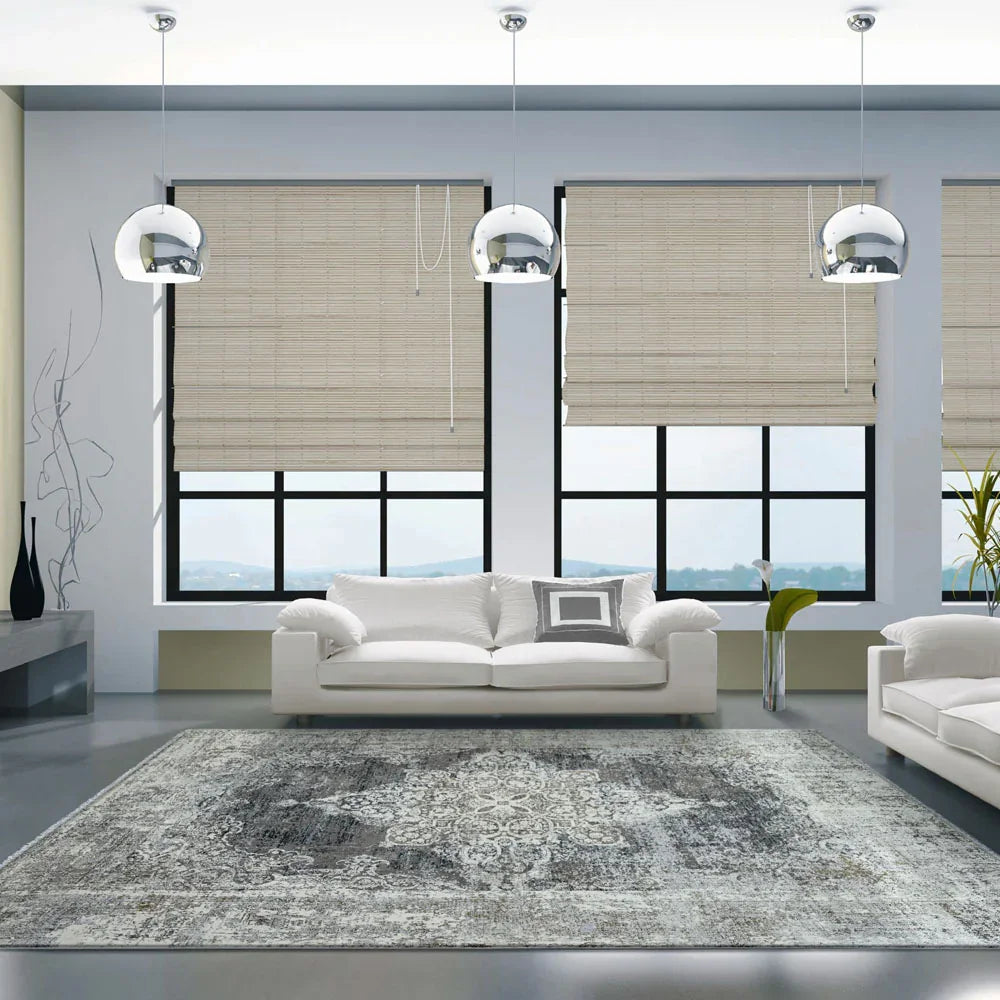
A rug anchors a seating area and adds warmth underfoot. In a living room, the rug should be big enough for at least the front legs of your sofa and chairs to sit on it. A 2m x 3m rug suits most medium living rooms. A rug that’s too small is one of the most common decorating mistakes.
5. Use Mirrors to Add Light and Depth
Hang a mirror opposite a window and it bounces daylight around the room. A large mirror leaning against a hallway wall makes a narrow space feel wider. Keep mirrors away from clutter, because they reflect it too.
6. Bring Nature Indoors
Plants add colour, softness and life. Easy options for Australian homes include snake plants, pothos and rubber plants, which cope with indoor conditions and the occasional missed watering. If plants aren’t your thing, natural materials such as a rattan basket or a timber bowl give a similar feel.
7. Add Artwork and Wall Decor
Bare walls make a room feel unfinished. Hang art so its centre sits around 145-150cm from the floor, roughly eye level. Over a sofa, choose a piece about two-thirds the sofa’s width. Not sure about a gallery wall? Start with one large piece, which looks more confident than many small ones.
8. Style Shelves and Surfaces
Aim for intention, not overcrowding. Group items in odd numbers, vary the heights and leave gaps. A stack of books, a small plant and one ceramic piece will look better than ten ornaments.
9. Update Soft Furnishings
New cushion covers, a throw and fresh curtains change a room for very little money. Floor-length curtains hung close to the ceiling make the ceiling look higher. Stick to your palette and vary the textures.
10. Declutter Before You Decorate
Decor only works when the surfaces beneath it are clear. Give every item a home. If something has no place, it’s either storage furniture you need or something you don’t.
Home Decor Ideas for Every Room
Living Room Decor
Living room decor starts with the sofa. Keep the coffee table about 40-45cm from the sofa so it’s easy to reach, and choose one that’s about two-thirds the sofa’s length. Layer a rug, two light sources and a piece of art, and add a TV unit that matches the scale of the room.
Bedroom Decor
For bedroom decor ideas, think soft and calm. Use muted colours, layered bedding and matching bedside tables. Add warm bedside lamps instead of a harsh ceiling light, and a rug that extends beyond both sides of the bed. Hang one piece of wall art above the headboard.
Dining Room Decor
Hang a pendant light about 75-85cm above the table surface. Choose chairs that are comfortable for long dinners and a simple centrepiece, such as a bowl of fruit or a vase of seasonal flowers. A mirror or large artwork on the wall finishes the room.
Home Office Decor
A home office needs to work first and look good second. Choose a desk with enough surface for your setup, a supportive chair and storage that hides cables and paper. Keep decoration minimal: one plant, one piece of art and a good desk lamp.
Entryway Decor
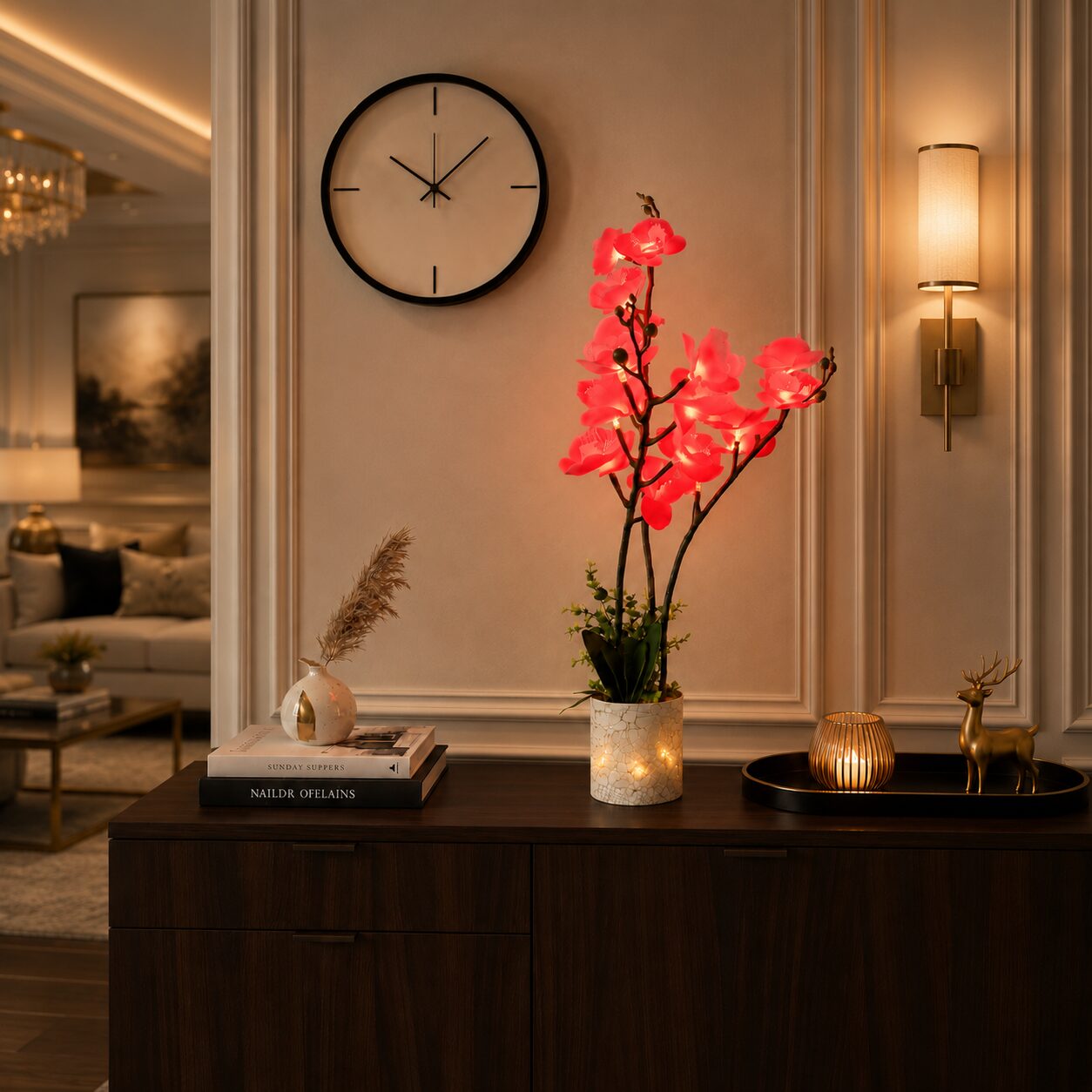
Your entryway sets the tone before anyone sees the rest of the house. A slim console table, a mirror, a small lamp and a bowl for keys is enough. If you have space, add a bench for shoes.
Affordable Home Decor Ideas by Budget
Affordable home decor is about choosing the changes that make the biggest difference.
Under $50:
- Swap cushion covers and add a throw
- Rearrange existing furniture
- Add a small plant
- Declutter shelves and restyle them with what you already own
Under $200:
- Add a floor lamp or table lamp
- Hang a large piece of art
- Buy a mirror
- Replace curtains
Worth investing in:
- A quality rug
- A well-made sofa or bed
- Good lighting
Renting? Use leaning mirrors, plug-in lamps, removable wall hooks and large rugs. None of them damage walls or floors.
How to Style Your Home Without Overdecorating
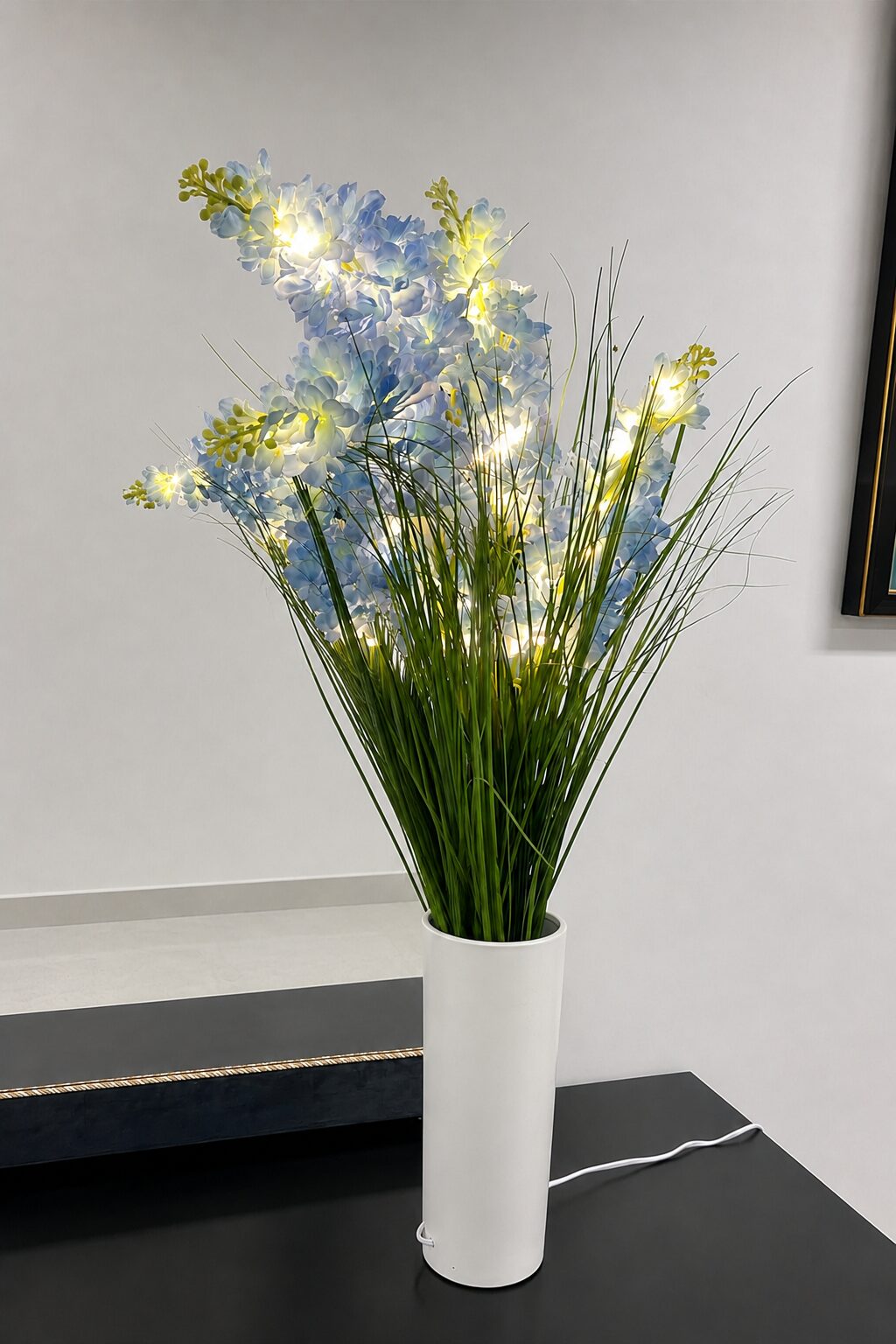
A stylish home isn’t a full home. Choose a clear colour scheme and stick to it. Mix decorative and functional pieces, such as a beautiful basket that also stores blankets. Leave some empty space so the eye has somewhere to rest. Choose quality over quantity, because one great piece beats five average ones. Finally, balance each room visually. If one side has a large sofa, balance it with a bookshelf or a tall plant on the other.
How to Mix Different Home Decor Styles
You don’t have to commit to one style across the whole house. Mixed styles look intentional when something connects them: a shared colour, a repeated material or a similar shape.
- Modern and minimalist: clean lines, few accessories, one bold piece
- Contemporary and warm: neutral base with timber and soft textiles
- Scandinavian and natural: light timber, white walls, wool and plants
- Traditional and modern: an antique piece in a simple, modern room
- Rustic and contemporary: raw timber with sleek metal lighting
For example, a modern grey sofa works well with a vintage timber sideboard if you repeat the timber tone in a picture frame or lamp base.
How Colour Can Transform Your Home
No single colour works in every home. It depends on your light, your room size and how you want the space to feel.
- Warm neutrals (cream, beige, soft taupe) feel welcoming and suit most rooms.
- Soft earthy colours (sage, terracotta, clay) bring calm and warmth.
- Bold accent colours work best in small doses, such as a cushion, a vase or an armchair.
- Light colours help smaller rooms feel more open.
- Dark colours create drama and cosiness in rooms with good lighting.
Test paint samples on the wall and look at them morning and night before you commit.
The Role of Furniture in Home Decor
Furniture is part of the look, not just something to sit on. When you choose stylish furniture, think about scale, proportion, layout, materials, comfort and storage. An oversized sofa makes a small room feel cramped, and a tiny table in a large room looks lost. Leave about 75-90cm for walkways so the room is easy to move through. Choose materials that suit your lifestyle. Performance fabrics work for busy families, and solid timber pieces last for years.
How Lighting Changes Home Decor
The same room can look completely different depending on how it’s lit.
- Ambient lighting is the general glow, from ceiling lights or large lamps.
- Task lighting helps you work, read or cook, such as a desk lamp or reading light.
- Accent lighting highlights features like art or shelves.
- Natural light changes through the day. Keep windows clear and use sheer curtains to soften harsh sun.
Layer at least two types in each room, and use dimmers where you can. Your room will feel different at breakfast, in the afternoon and at night. For more on designing with light and the sun, the Australian Government’s YourHome guide covers passive design for Australian conditions.
Home Decor Trends to Watch
Trends come and go, but a few broader directions have staying power:
- Warm neutral interiors replacing cool greys
- Natural materials such as timber, rattan, linen and stone
- Layered textures in rugs, throws and upholstery
- Curved furniture like rounded sofas and arched mirrors
- Statement lighting as a feature, not an afterthought
- Biophilic elements that connect your home with nature
- Multifunctional furniture such as storage ottomans and extendable tables
- Personalised interiors that mix family pieces, travel finds and art you love
If you’re following home decor trends, pick one or two that suit you. A home that copies every trend dates quickly.
Common Home Decor Mistakes (and Quick Fixes)
- Too many colours. Fix: limit yourself to three main colours plus one accent.
- Furniture that’s too large. Fix: measure the room and mark the furniture’s footprint with masking tape before buying.
- Poor lighting. Fix: add lamps at different heights and use warm bulbs.
- Overcrowded surfaces. Fix: remove half, then add back only what you love.
- Ignoring room proportions. Fix: use tall pieces in low rooms to draw the eye up, and keep furniture low in narrow spaces.
- Following trends too closely. Fix: choose timeless basics and add trends through cheap accessories.
- Forgetting functionality. Fix: make sure every piece works for the way you live.

How to Make Your Home Feel More Luxurious
Luxury is about how a room feels, not how much you spent. Layer lighting, choose textured fabrics, hang one large piece of art and keep surfaces clear. Coordinate your colours so the room feels calm and complete. Add one statement piece, such as an upholstered bed head or a sculptural lamp, and choose accessories carefully. A few well-chosen items will look more expensive than a crowded room of cheap ones.
Conclusion
Great home decor doesn’t mean transforming everything at once. Small choices in colour, furniture, lighting, texture and accessories add up, and gradually an ordinary room becomes a comfortable one you enjoy coming home to. Start with one room and one change.
When you’re ready for the bigger pieces, browse the Easy Home Furniture range → https://easyhomefurniture.com.au/ and find furniture that fits your space and style.
Frequently Asked Questions
How can I improve my home decor?
Start by decluttering, then add layered lighting, a rug and a few textured soft furnishings. These changes make the biggest difference for the least money.
What are the most important elements of home decor?
Colour, lighting, furniture, texture and accessories. Lighting and furniture scale have the largest effect on how a room feels.
How can I decorate my home on a budget?
Rearrange what you own, swap cushion covers, add plants and a mirror, and restyle your shelves. Save your budget for one good rug or lamp.
How do I choose a home decor style?
Look at the colours and pieces you’re drawn to, then find the common thread. Start with a simple base and add personality through accessories.
How can I make a small room look bigger?
Use light colours, a large mirror, floor-length curtains and furniture with legs. Keep the floor visible and avoid bulky pieces.
What colours make a home feel more welcoming?
Warm neutrals and soft earthy tones, such as cream, beige, sage and terracotta, feel inviting. Test samples in your own light.
How do I make my home look more luxurious?
Layer lighting, use textured fabrics, add large artwork and keep clutter to a minimum. Choose fewer, better pieces.
What are the latest home decor trends?
Warm neutrals, natural materials, curved furniture, statement lighting and multifunctional pieces are the main directions right now.


Leave A Comment
You must be logged in to post a comment.