How to Pick the Perfect Dining Table Size for Your Space
Choosing a new dining table is exciting, but it can also feel confusing once you start looking at all the shapes and sizes on offer. Knowing how to pick the perfect dining table size for your space is the first step to avoiding a table that feels too big, too small, or just plain awkward in your room. The right size affects how comfortably you can sit, how easily you can walk around the table, and how the whole room feels once everything is set up. In this guide, we will walk you through everything you need to know before you buy.
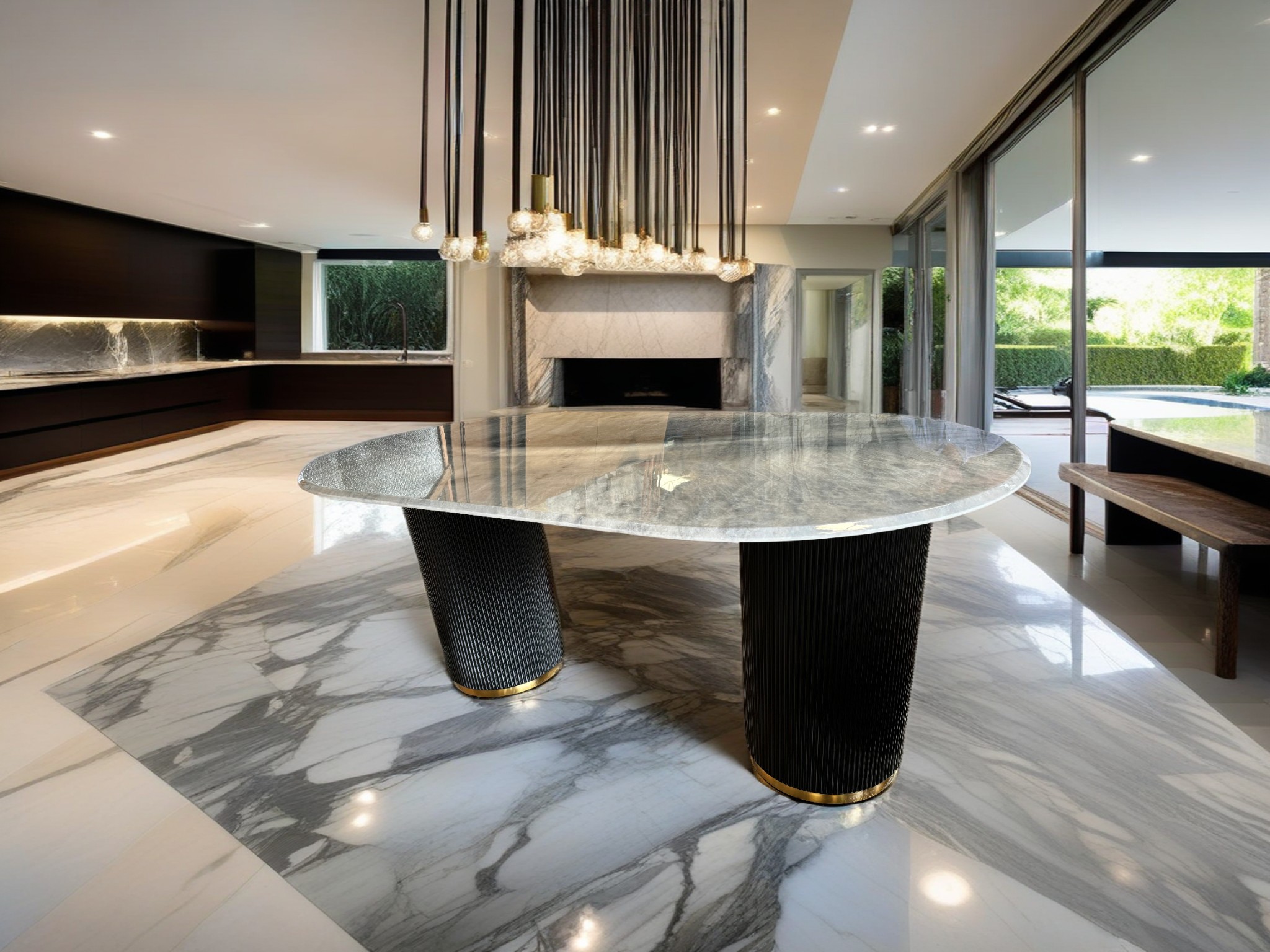
Why Dining Table Size Matters More Than You Think
A dining table is one of the biggest pieces of furniture in your home, so getting the size wrong can throw off your whole room. If the table is too large, you will struggle to walk around it, and chairs may bump into walls or other furniture every time someone sits down. If it is too small, your family and guests will feel cramped, and you may not have enough surface space for plates, dishes, and serving bowls during meals.
The right size also affects how the room looks. A table that fits well makes the space feel balanced and put together. A table that is the wrong size, even by a little, can make an otherwise beautiful room feel off. This is why measuring first and choosing based on your actual space, rather than just what looks nice in a showroom or online photo, makes such a big difference.
Measure Your Dining Room Space
Before you fall in love with any table, grab a tape measure and take note of your room’s actual dimensions. Measure the length and width of the space where the table will go, not just the whole room, especially if your dining area is part of an open plan living space.
Once you have the room measurements, think about the other furniture nearby, such as a sideboard, buffet table, or walkway to the kitchen. A general rule is to leave at least 90cm to 120cm of clearance around the table on all sides. This gives people enough room to pull out chairs and walk past comfortably, even when the table is full of guests.
If you are working with a smaller room, a round table like the Flora Round Dining Table Set can be a smart choice, since round shapes often take up less visual space and make it easier to move around in tight areas.
Understand Standard Dining Table Sizes
Dining tables usually come in a range of standard sizes, and knowing what these sizes typically seat can help you shortlist your options faster.
- Small tables (100cm to 140cm long): These usually seat two to four people comfortably. They work well in apartments, smaller dining nooks, or homes where the dining area doubles as a workspace.
- Medium tables (140cm to 180cm long): These are a popular middle ground, seating four to six people. A table like the Riva 140cm Rectangle Dining Table Black fits nicely into this category and works well for small to medium families.
- Large tables (180cm to 220cm long): Ideal for families of six or more, or for households that entertain often. Tables in this range, such as the Valoria Luxury Dining Table, give you plenty of room to spread out during big family dinners.
- Extra-large tables (220cm and above): These suit larger dining rooms and households that regularly host bigger gatherings. Extendable options in this range give you flexibility for everyday use and special occasions.
As a simple rule of thumb, allow around 60cm to 70cm of table length per person, so everyone has enough elbow room while eating.
Think About Shape, Not Just Size
The shape of your dining table plays just as big a role as its length and width. Each shape suits different rooms and different lifestyles.
- Rectangle tables are the most common choice and tend to work well in longer, narrower rooms. They are great for seating larger groups and make it easy to add extra chairs at the ends when needed. If you want a bold, modern look with a rectangle table, something like the Catalyst Marbella white sintered stone dining table brings a sleek, contemporary feel while still offering generous seating space.
- Round tables are ideal for smaller or square shaped rooms. They encourage conversation since everyone is roughly the same distance from each other, and they have no sharp corners to bump into, which is handy if you have young children. A table such as the Crown White Round Dining Table for 4 is a good example of a round table that suits cosy family kitchens or compact apartments.
- Square tables suit square rooms and smaller households, usually seating four people evenly on each side. They are less common but can look striking in the right space, especially in a minimalist or modern styled home.
- Oval tables offer a middle ground between round and rectangle shapes. They keep the softness of a round table while offering a bit more length for extra seating, which works well in transitional style homes.
Match the Table to Your Household Size
Think honestly about how many people usually eat at your table on a normal day, and how many you need to seat during special occasions like holidays or birthdays.
If you are a couple or small family, a smaller table that seats four is often enough for daily use. If you often host extended family or friends, it may be worth considering a table with extension leaves, or simply sizing up so you are not stuck moving furniture every time you have guests over. A well designed dining set like the Concord 5 Piece Dining Set already includes matching chairs, which takes the guesswork out of coordinating seating for a household of four.
It also helps to think about the future. If you are planning to grow your family or expect to entertain more in the coming years, choosing a slightly larger table now can save you from having to replace it again soon.
Leave Enough Room to Move Comfortably
Even if a table fits the room on paper, it needs breathing space to actually feel comfortable to use. Here are a few practical clearance guidelines to keep in mind.
- Leave at least 90cm between the edge of the table and the nearest wall or furniture, so chairs can be pulled out fully.
- If the table sits near a walkway, such as a path to the kitchen, aim for at least 100cm to 120cm of clearance so people can pass by even when chairs are pulled out.
- Consider the swing space needed for any nearby doors, so the table does not block them when fully open.
If you are working with a narrow or oddly shaped space, testing the layout with painter’s tape on the floor before you buy can help you visualise exactly how much room the table will take up.
Consider Style and Material Alongside Size
Once you have the right size and shape sorted, think about how the table fits with the rest of your home’s style. A dining table is a long term investment, so it should suit not just your current decor but also styles you are likely to enjoy for years to come.
Stone and marble look tops, timber finishes, and mixed material designs each bring a different feel to a room. For example, tables with a light oak base, like the Arcadia Luxury Dining Table Light Oak Base, suit warm, natural, or Scandinavian style homes, while stone topped tables tend to feel more modern and luxurious.
Think about how much daily wear the table will face too. Households with young children or frequent entertaining may benefit from more durable, easy to clean surfaces, while quieter households have more flexibility to choose based on looks alone.
Common Mistakes to Avoid When Choosing a Dining Table Size
Even with the best intentions, it is easy to make a few common mistakes when buying a dining table. Here are some to watch out for.
- Not measuring the room first. Falling in love with a table online before checking if it actually fits your space is one of the most common and costly mistakes.
- Forgetting about chair clearance. A table might look fine on its own, but if there is not enough space to pull out chairs, it will feel uncomfortable every day.
- Ignoring the shape of the room. A large rectangle table in a small square room can make the space feel unbalanced, even if the seating capacity is technically correct.
- Choosing based on looks alone. While style matters, a beautiful table that does not fit your lifestyle or space will end up being more frustrating than functional.
- Not planning for growth. If your household is likely to grow, choosing a table with some extra seating capacity, or one with extension options, can save you money and hassle down the track.
Final Thoughts
Learning how to pick the perfect dining table size for your space really comes down to a few simple steps. Measure your room, think about how many people you need to seat, choose a shape that suits your space, and always leave enough room to move comfortably. Once you have those basics sorted, you can shop with confidence, knowing whatever table you choose will actually work in your home.
Whether you are after a compact table for a cosy apartment or a large statement piece for family gatherings, taking the time to measure and plan first will help you find a dining table you will be happy with for years to come. Visit our showroom or browse our dining collection online to explore sizes, shapes, and styles that suit your space.

Leave A Comment
You must be logged in to post a comment.