Can You Put a Headboard on an Adjustable Bed
If you’re wondering can you put a headboard on an adjustable bed, the simple answer is yes. Most modern adjustable beds are designed to work with headboards, allowing homeowners to enjoy both comfort and bedroom style without sacrificing functionality. However, compatibility can vary depending on the adjustable base, bed frame design, and mounting system used. Some setups require headboard brackets, while others work with freestanding or wall-mounted headboards. Understanding how adjustable beds function and how headboards attach can help you avoid installation problems later. In this guide, you’ll learn the best headboard options, installation methods, and important compatibility tips for adjustable beds.
Can Adjustable Beds Have Headboards?
Many people assume adjustable beds cannot support traditional headboards because of their moving base design. However, most modern adjustable beds are compatible with headboards when installed correctly. Understanding how adjustable bases work and what mounting options are available can help you create a comfortable and stylish bedroom setup.
Understanding Adjustable Bed Frames
Adjustable beds use a motorized base that allows the mattress to move into different positions for improved comfort and support. Users can raise or lower the head and foot sections depending on their sleeping or relaxation preferences.
Unlike standard bed frames, adjustable bases contain moving components underneath the mattress. Because of this movement, compatibility with headboards depends on how the headboard is attached and how much clearance the bed requires.
Most adjustable bed manufacturers now design their frames with optional headboard bracket compatibility to support different bedroom styles.
Why People Add Headboards
Headboards are not only decorative but also practical. Many homeowners prefer adding a headboard to improve the overall appearance of the bedroom and create a more complete bed setup.
Headboards can also provide extra comfort when sitting upright in bed while reading, watching television, or using a laptop. Additionally, they help prevent pillows from slipping behind the bed and protect the wall from marks or damage.
For many people, adding a headboard helps adjustable beds look more like traditional bedroom furniture.
Are All Adjustable Beds Compatible With Headboards?
Not all adjustable beds support headboards in the same way. Some models include built-in bracket compatibility, while others may require separate universal headboard brackets.
Certain adjustable bases also fit inside existing platform bed frames that already include a headboard attachment system.
Before purchasing a headboard, it is important to check the manufacturer’s compatibility recommendations and mounting options carefully.
Also Read:How to Attach a Headboard to a Bed Frame
How to Attach a Headboard to an Adjustable Bed
There are several ways to attach a headboard to an adjustable bed depending on the bed frame design and the type of headboard you choose. Proper installation is important to ensure stability, safety, and smooth adjustable bed movement.
Using Headboard Brackets
One of the most common installation methods involves using adjustable bed headboard brackets. These metal brackets connect directly to the adjustable base and provide mounting points for the headboard.
Many adjustable bed brands sell compatible bracket kits, while universal headboard brackets are also widely available for different frame types.
Before installation, make sure the bracket size and hole spacing match both the adjustable base and the headboard dimensions.
Attaching to Existing Bed Frames
Some homeowners place the adjustable base inside an existing platform bed or bed frame that already includes a headboard.
In this setup, the adjustable base functions independently while the outer bed frame and headboard remain stationary. This method helps maintain a traditional bedroom appearance without directly attaching the headboard to the adjustable base itself.
However, adequate space must be left around the adjustable frame to allow proper movement during operation.
Using Freestanding Headboards
Freestanding headboards are another popular solution for adjustable beds. These headboards stand independently behind the bed rather than connecting directly to the adjustable frame.
Because they do not move with the bed base, freestanding headboards reduce stress on mounting hardware and simplify installation.
This option is especially useful for homeowners who want more flexibility in bedroom design.
Checking Manufacturer Instructions
Before attaching any headboard, always review the adjustable bed manufacturer’s instructions carefully.
Different adjustable bases may have unique mounting systems, weight limits, or compatibility requirements. Following the manufacturer’s recommendations helps avoid installation problems and prevents unnecessary damage to the bed frame or motorized components.
Proper planning and installation will help ensure your adjustable bed and headboard work together safely and efficiently.
Types of Headboards That Work Best With Adjustable Beds
Choosing the right headboard is important when setting up an adjustable bed. Since adjustable bases move frequently, some headboard styles work better than others in terms of stability, compatibility, and overall appearance.
Upholstered Headboards
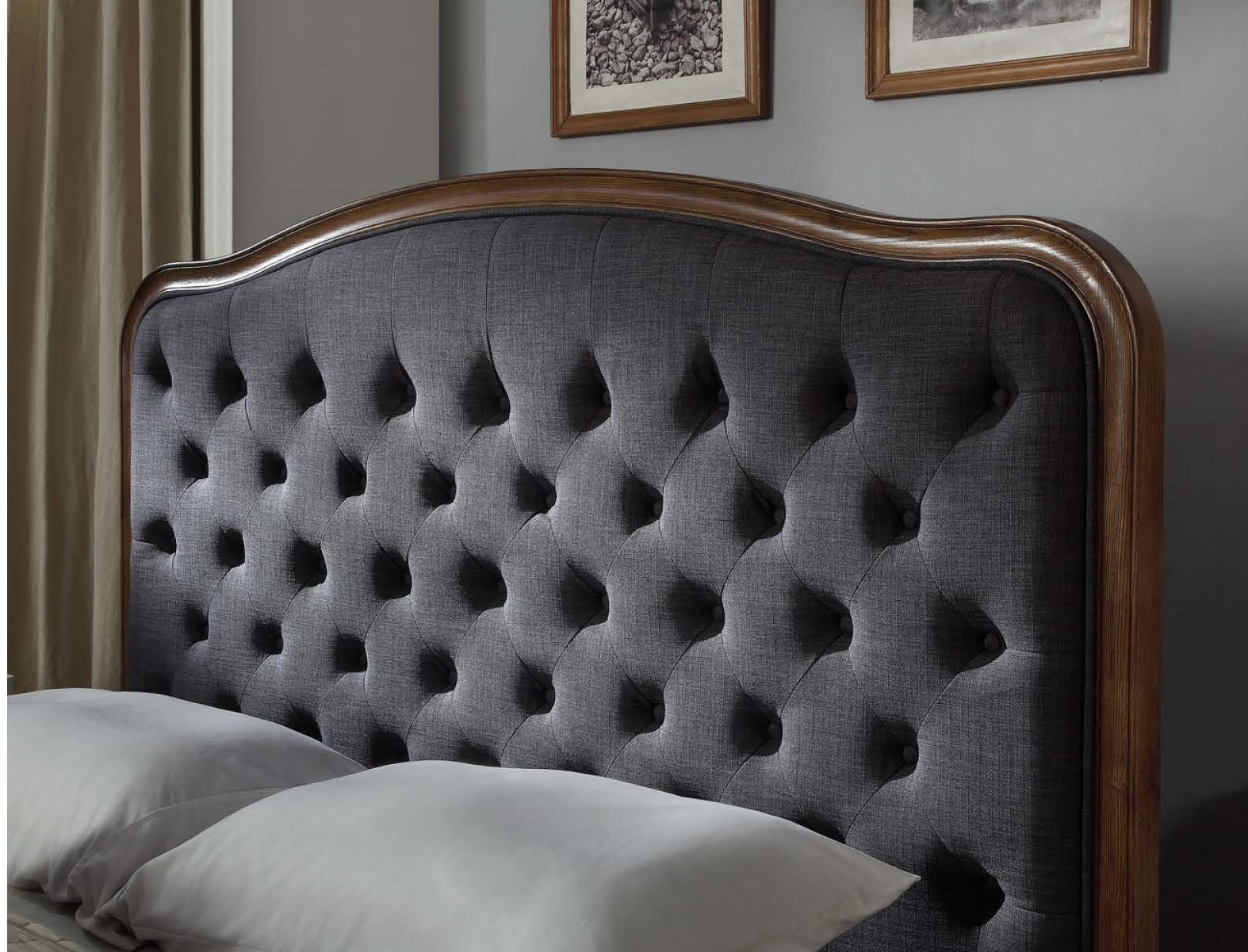
Upholstered headboards are one of the most popular choices for adjustable beds because they provide both comfort and style. Their soft padded surface creates a cozy appearance and offers additional support when sitting upright in bed.
Many upholstered headboards are also lightweight, making them easier to attach using adjustable bed brackets.
Wooden Headboards
Wooden headboards offer a classic and durable option for adjustable bed setups. They are available in a wide range of styles, from traditional designs to modern minimalist finishes.
However, heavier wooden headboards may require stronger mounting brackets and more secure installation to prevent movement during bed adjustments.
Wall-Mounted Headboards
Wall-mounted headboards attach directly to the wall instead of the bed frame. Because they remain stationary, they work extremely well with adjustable beds that move frequently.
This setup also creates a clean and modern bedroom appearance while reducing strain on the adjustable base itself.
Proper wall installation is important to ensure stability and safety.
Freestanding Headboards
Freestanding headboards are another excellent option because they do not rely on the adjustable frame for support. These headboards stand independently behind the bed and allow the adjustable base to move freely without affecting the headboard position.
They are often easier to install and provide greater flexibility for future bedroom layout changes.
Choosing the right headboard style depends on your bedroom design, adjustable base compatibility, and personal comfort preferences.
Benefits of Using a Headboard With an Adjustable Bed
Adding a headboard to an adjustable bed offers both practical and aesthetic advantages. While adjustable beds are designed mainly for comfort and support, a headboard helps create a more complete and visually appealing bedroom setup.
Improved Bedroom Appearance
One of the main reasons homeowners add a headboard is to improve the overall bedroom design. Adjustable bases alone can sometimes look too minimal or clinical without a decorative frame or headboard.
A stylish headboard helps create a more polished and traditional bed appearance that blends better with the rest of the bedroom furniture.
Extra Back and Neck Support
Headboards can also provide additional support when sitting upright in bed. Whether you are reading, watching television, or working on a laptop, a padded or upholstered headboard creates a more comfortable resting position.
This added comfort pairs well with the adjustable positions offered by the bed base.
Prevents Pillows From Falling
Without a headboard, pillows may slip behind the adjustable bed during movement or position changes.
A properly installed headboard creates a barrier that helps keep pillows and bedding in place while improving overall comfort during sleep.
Creates a More Traditional Bed Look
Many people prefer adjustable beds for their comfort benefits but still want their bedroom to maintain a traditional furniture style.
Adding a headboard helps adjustable beds look less mechanical and more like a standard luxury bed setup.
Combining functionality with aesthetics allows homeowners to enjoy the comfort of an adjustable base without compromising bedroom design.
Common Problems When Adding a Headboard
Although most adjustable beds can support headboards, certain installation issues may occur if compatibility and setup are not handled properly. Understanding these common problems can help you avoid unnecessary frustration later.
Incorrect Bracket Sizing
One of the most common issues is using incompatible headboard brackets. If the bracket size or hole spacing does not match the adjustable base, the headboard may not fit securely.
Always measure carefully and confirm compatibility before purchasing installation hardware.
Headboard Movement or Noise
Loose bolts or unstable mounting systems can cause the headboard to wobble or create noise when the adjustable bed moves.
Proper installation and tightening all hardware securely can help reduce unwanted movement and improve stability.
Limited Wall Clearance
Adjustable beds require enough space behind the frame to allow the head and foot sections to move freely.
Placing the headboard too close to the wall may restrict movement or cause the bed frame to rub against the surface during adjustment.
Compatibility Issues With Adjustable Bases
Some adjustable beds have unique frame designs that may not support all headboard styles directly.
Before purchasing a headboard, it is important to check the adjustable bed manufacturer’s compatibility guidelines to ensure proper installation.
Avoiding these common issues will help create a safer and more stable adjustable bed setup.
Also Read: How to Dismantle a Storage Bed Frame
Tips for Choosing the Right Headboard
Choosing the right headboard for an adjustable bed involves more than simply selecting a design you like. Compatibility, durability, and proper sizing are all important factors to consider before making a purchase.
Measure Bed and Headboard Dimensions
Before buying a headboard, carefully measure both the adjustable bed frame and the headboard dimensions.
The width should align properly with the mattress and adjustable base to create a balanced appearance and secure fit.
Match the Bedroom Style
Headboards come in many styles, including modern, traditional, upholstered, wooden, and minimalist designs.
Choosing a headboard that complements the overall bedroom décor helps create a more cohesive and attractive space.
Choose Durable Materials
Since adjustable beds move regularly, durable headboard materials are important for long-term stability.
High-quality wood, metal, or reinforced upholstered frames generally perform better over time and resist loosening or damage.
Consider Adjustable Bed Movement
Some headboards may interfere with the adjustable bed’s movement if they are too bulky or positioned incorrectly.
Make sure there is enough clearance around the adjustable base so the bed can move freely without rubbing against the wall or headboard structure.
Selecting the right headboard carefully can improve both comfort and functionality while enhancing the appearance of your bedroom.
Adjustable Bed Headboard Installation Tips
Proper installation is essential for keeping the headboard secure and ensuring the adjustable bed functions smoothly. Following a few simple setup tips can help prevent future issues.
Tighten Bolts Properly
Loose bolts can cause wobbling, noise, or instability over time.
After installation, double-check that all screws, brackets, and bolts are tightened securely without over-tightening the hardware.
Leave Enough Space for Bed Movement
Adjustable beds need room to move into different positions safely.
Leave a small gap between the wall, headboard, and adjustable base to prevent rubbing or movement restrictions.
Test Adjustable Positions
After installation, test all adjustable bed positions fully to ensure the headboard and frame remain stable throughout movement.
Check for unusual noises, shifting, or pressure against the wall.
Protect Walls and Flooring
Adjustable beds may shift slightly during operation. Using furniture pads or wall protectors can help prevent scratches and marks on nearby surfaces.
Proper installation and regular maintenance can help your adjustable bed and headboard remain stable, comfortable, and visually appealing for years.
Conclusion
If you’ve been wondering can you put a headboard on an adjustable bed, the answer is yes in most cases. With the right brackets, proper measurements, and compatible setup, you can combine the comfort of an adjustable bed with the style and support of a headboard. Whether you choose a wall-mounted, upholstered, wooden, or freestanding design, selecting the right headboard can enhance both the appearance and functionality of your bedroom.
Frequently Asked Questions
Do adjustable beds come with headboard brackets?
Some adjustable beds include headboard brackets, while others require separate bracket kits.
Can you attach any headboard to an adjustable bed?
Not always. Compatibility depends on the adjustable base design and the headboard mounting system.
Do adjustable beds fit inside normal bed frames?
Yes, many adjustable bases can fit inside standard platform or bed frames with proper measurements.
What type of headboard works best with adjustable beds?
Upholstered, wall-mounted, and freestanding headboards are among the best options for adjustable beds.
Can you use a wall-mounted headboard with an adjustable base?
Yes, wall-mounted headboards work very well because they remain separate from the moving bed frame.



Leave A Comment
You must be logged in to post a comment.