How to Choose the Safest and Best Bunk Beds for Kids
Buying a bunk bed is exciting, but it also comes with a few important decisions to get right. Learning how to choose the safest and best bunk beds for kids helps you avoid common mistakes and gives you real peace of mind once the bed is set up in your child’s room. Bunk beds are a fantastic way to save space, especially for siblings sharing a room or homes that host sleepovers often. But safety, size, and quality all need careful thought before you buy. In this guide, we will walk you through everything you need to know to choose a bunk bed that is safe, comfortable, and built to last.
Why Bunk Beds Are a Popular Choice for Families
Bunk beds have remained a favourite for Australian families for good reason. They make the most of vertical space, which is especially helpful in smaller bedrooms or homes where siblings share a room. Beyond saving floor space, bunk beds also free up room for a desk, wardrobe, or play area, giving kids more room to study and play during the day.
They are also a hit with children themselves. Many kids see a bunk bed as an adventure, whether that is claiming the top bunk or turning the bottom one into a cosy reading nook. If you are also deciding between a double or single bed for your child, a bunk bed can be a great middle ground, since it offers similar sleeping space to two single beds while taking up far less room.
Safety Should Always Come First
Before looking at style or price, safety needs to be the top priority when choosing a bunk bed. Since children will be sleeping several feet off the ground, a few key safety features make a real difference.
Guardrails on the top bunk are essential and should run along both sides of the bed, not just the wall side. Look for rails that sit high enough to prevent a child from rolling out during sleep. The ladder should also feel sturdy and be angled or fixed firmly, rather than a flimsy attachment that shifts under weight.
Check the gap between the guardrails and the slats too. Gaps that are too wide can pose a risk for younger children, so it helps to look for a design with narrower spacing between rails. It’s also worth confirming that the bunk bed meets Australian safety standards, which cover structural strength, rail height, and ladder design.
Consider Your Child’s Age
Age plays a big role in deciding whether a bunk bed is the right choice, particularly for the top bunk. Most safety guidelines recommend that children under six years old should not sleep on the top bunk, since younger kids are more likely to roll or climb without fully understanding the risks.
If you have a mix of ages, a common solution is to place your older child on the top bunk and your younger child on the bottom. Some families also choose to keep both children on the bottom level for a few years before moving up, which is a sensible option if your child is still developing coordination and body awareness.
Choosing the Right Size and Layout
Bunk beds come in a range of sizes and layouts, so it helps to think about your room and your family’s needs before deciding.
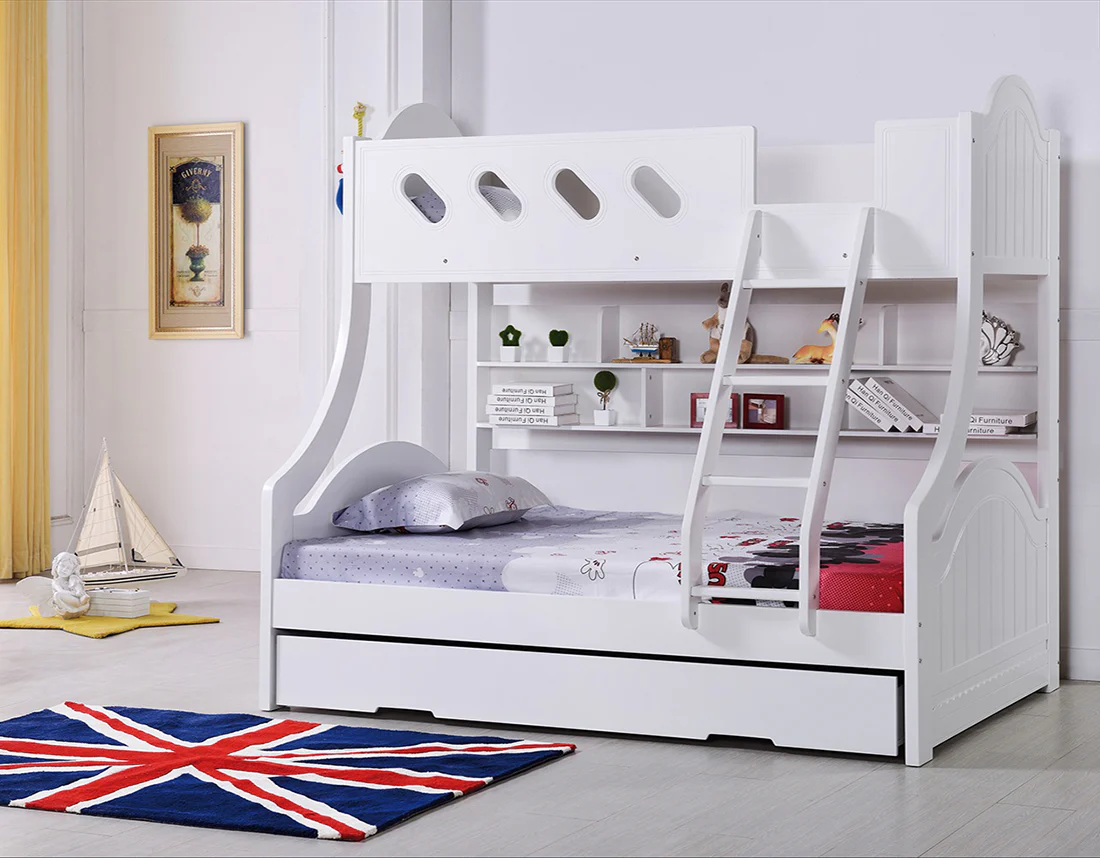
Standard bunk beds usually feature two single beds stacked on top of each other, which suits most shared kids’ rooms. Some designs offer a single bed on top with a double bed on the bottom, which works well if one child needs more space or if the bottom bunk will occasionally be used by a parent during sleepovers.
L-shaped or corner bunk beds are another option worth considering if your room has an awkward layout, since they can make better use of tricky corners while still leaving space for other furniture. Whatever layout you choose, always measure the ceiling height in the room beforehand, since a bunk bed that is too tall can leave little clearance for the child on the top bunk to sit up comfortably.
Materials and Build Quality
The material a bunk bed is made from affects both durability and the overall feel of the room. Solid timber bunk beds are known for their strength and long lifespan, making them a smart investment if you expect the bed to be used by more than one child over the years.
Metal frame bunk beds are usually lighter and often more affordable, with a sleek, modern look that suits contemporary kids’ rooms. They tend to be easier to move if you need to rearrange furniture down the track. If you are still weighing up materials for your child’s room more broadly, our guide on the best fabric for a bed frame covers similar considerations for upholstered pieces.
Whichever material you choose, check the manufacturer’s weight limits for both the top and bottom bunks, and make sure the mattress size recommended by the brand is followed closely, since an incorrect mattress size can affect how securely the guardrails function.
Styling a Shared Kids’ Room Around a Bunk Bed
Once safety and size are settled, it is time for the fun part. Bunk beds can be styled in so many ways to suit your children’s personalities, whether that means matching bedding for a coordinated look or letting each child choose their own colours and prints.
Adding soft lighting near the bottom bunk can help create a calming bedtime routine, especially for younger children who might feel a little unsettled sleeping under another bed for the first time. If you want more ideas for building a warm, comfortable room around the bunk bed, our guide on creating a cozy bedroom has plenty of simple tips that work well in a shared kids’ space too.
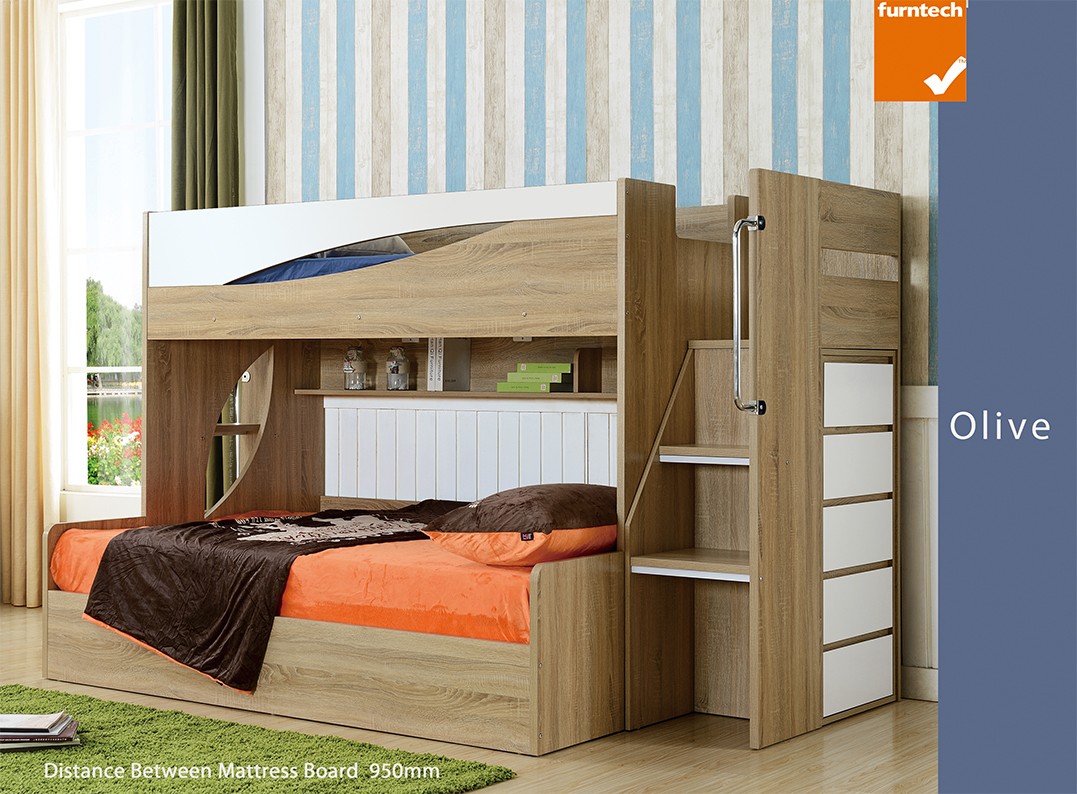
Storage is another area worth thinking about. Many bunk beds now come with built in drawers or shelving underneath, which is a great way to keep toys, books, and clothes organised without needing extra furniture in a smaller room.
Helping Kids Settle Into a New Bunk Bed
A new sleeping arrangement can take a little getting used to, especially for younger children moving to a top bunk for the first time. Keep the ladder area clear of toys or clutter so climbing up and down stays safe, and consider a nightlight near the ladder for children who need to get down during the night.
If your child is having trouble settling into their new bed, our tips on falling asleep faster offer some simple, gentle strategies that can help ease the transition, particularly in the first few weeks.
Conclusion
Learning how to choose the safest and best bunk beds for kids when buying a bunk bed comes down to balancing safety, size, and quality with your child’s age and your room’s layout. Take the time to check guardrails, ladder sturdiness, and age recommendations before you buy, and choose a build quality that will hold up to years of use. With the right bunk bed in place, you will have a safe, space-saving solution that your kids will genuinely enjoy sleeping in.
Ready to find the perfect bunk bed for your home? Explore our full range of bunk beds and kids’ bedroom furniture at Easy Home Furniture, or get in touch with our team for advice on choosing the right fit for your space.
Frequently Asked Questions
At what age can a child sleep on the top bunk?
Most safety guidelines recommend children be at least six years old before sleeping on the top bunk, since younger children are more prone to rolling or climbing unsafely.
Are metal or timber bunk beds better?
Both are safe choices when built to standard. Timber tends to offer greater long term durability, while metal frames are often lighter and more budget friendly.
How much weight can a bunk bed hold?
Weight limits vary by brand and design, so always check the manufacturer’s specifications for both the top and bottom bunks before buying.
Can I use any mattress on a bunk bed?
No. Bunk beds are designed for a specific mattress thickness and size. Using the wrong mattress can affect how well the guardrails protect against rolling.
Do bunk beds need to be fixed to the wall?
While not always required, securing a bunk bed to the wall adds an extra layer of stability and is a good safety measure, particularly in homes with very active children.
Are bunk beds suitable for small bedrooms?
Yes. Bunk beds are one of the best space-saving solutions for small or shared kids’ rooms, since they free up floor space for a desk, storage, or play area.

Leave A Comment
You must be logged in to post a comment.